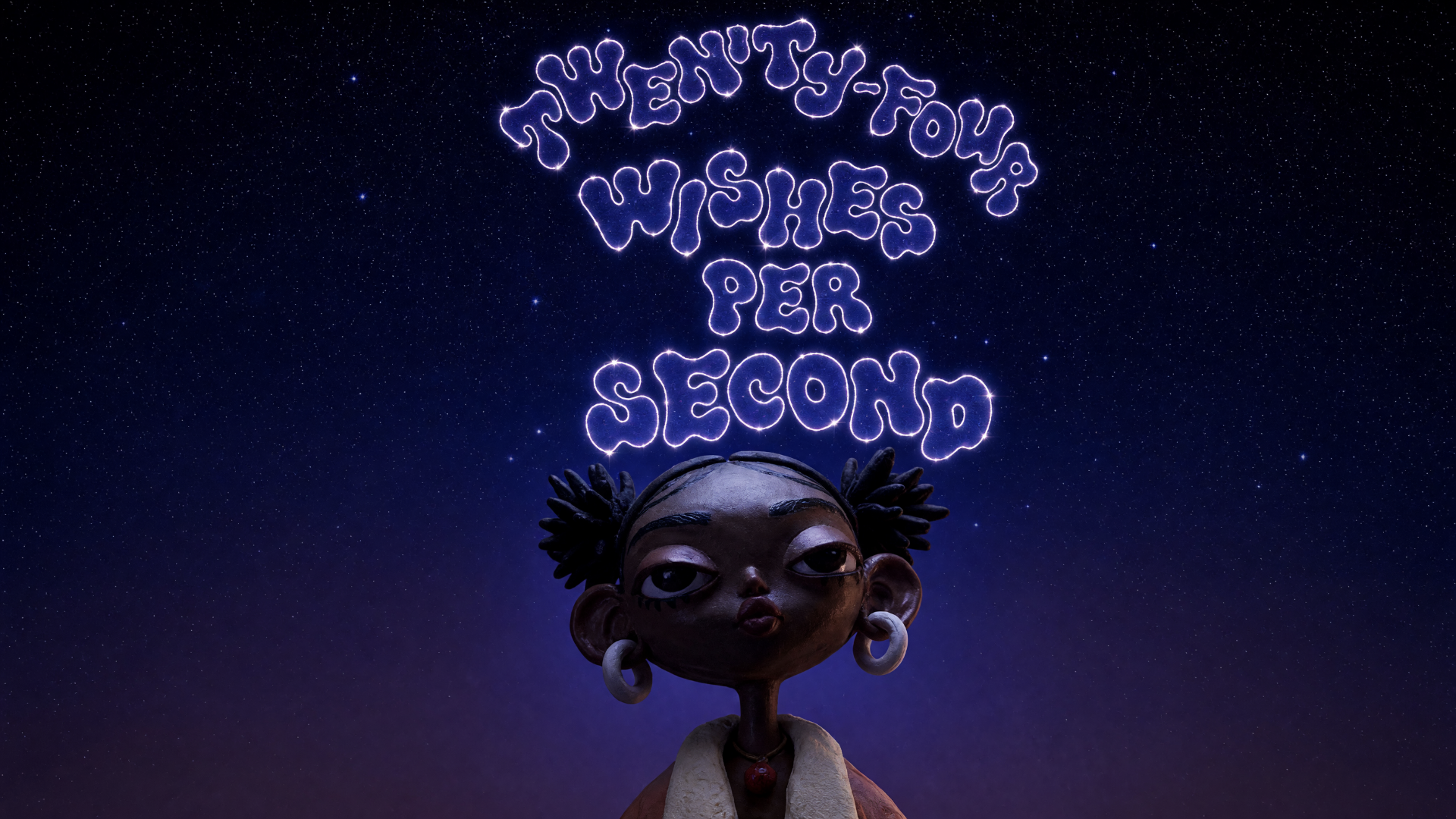
Twenty-Four Wishes per Second
Short film · A journey through cinema
Generated shot by shot, graded and sewn by hand
- Format:
- DIGITAL / 16:9
- Production:
- MITO Films
- Media:
- Film
- Type:
- Fiction
- Published:
- AUG 2026
Credits
Directed and produced by Arantxa Barcia · Written and edited by Adriana Arratia · Character design by Josefa Toro · Sound by Olmo Sebastián
View more +View less −
Craft
- HISTORY, ZOETROPE TO AIwith Adriana Arratia, script and edit
- ×9 STAGES
- GENERATION, WORST SHOTSeedance, Grok, GPT 2.0
- ×300 TAKES
- GRADEDaVinci Resolve, hand-built LUTs
- ×3 LOOKS
- CONTINUITY AND RETOUCHPhotoshop, After Effects
- ×11 FIXES
- THE ROOMposters and bookshelf, Josefa Toro
- ×35 TITLES
- RESOLUTION, 720P TO 4K
- ×3 PASSES
- Models
- Kling
- GPT 2.0
- Seedance
- Grok
- Tools
- MITO AI
TWENTY-FOUR WISHES A SECOND
TWENTY-FOUR FRAMES. TWENTY-FOUR WISHES.
Cinema runs at twenty-four frames a second. The frames were never the hard part. The hard part is wanting to tell something.
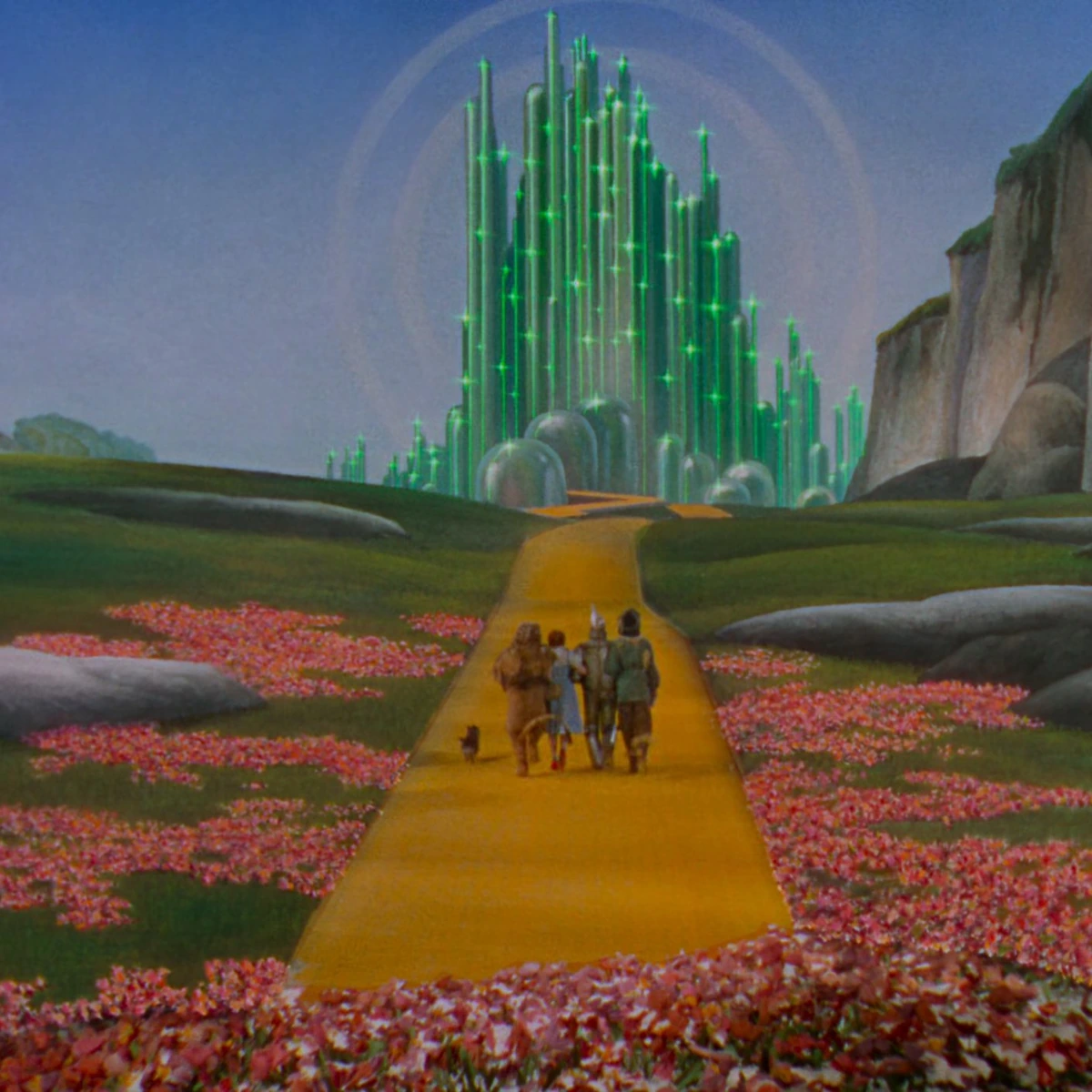
Halfway through, the Tin Man tells her: forget wishes, tell your story. The line was in the script from the first draft and nobody paid it any attention. When we went looking for a title, we found it was already written inside the film. The thesis was there before we knew it was the thesis.
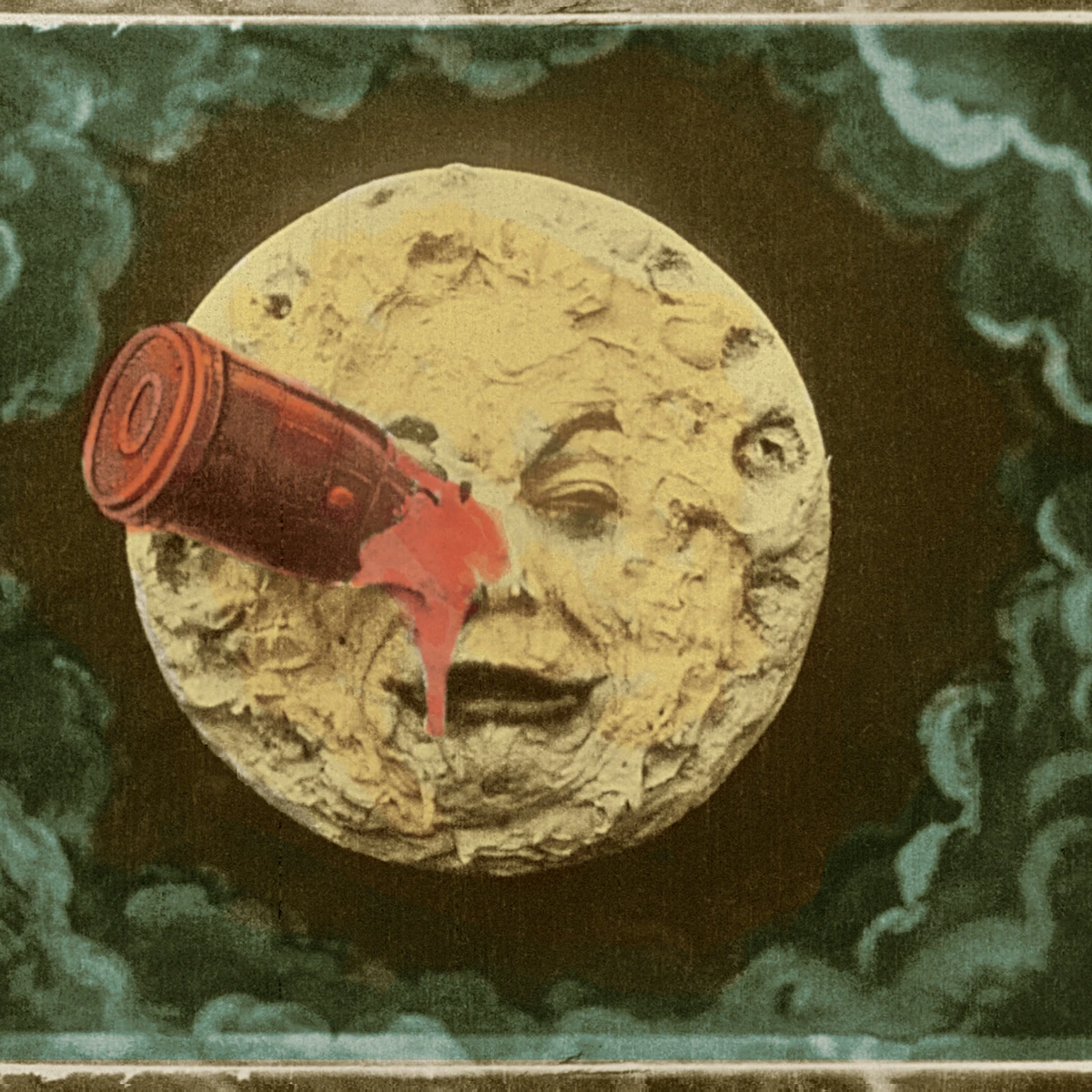
in its day, the new tool
that was going to kill cinema.
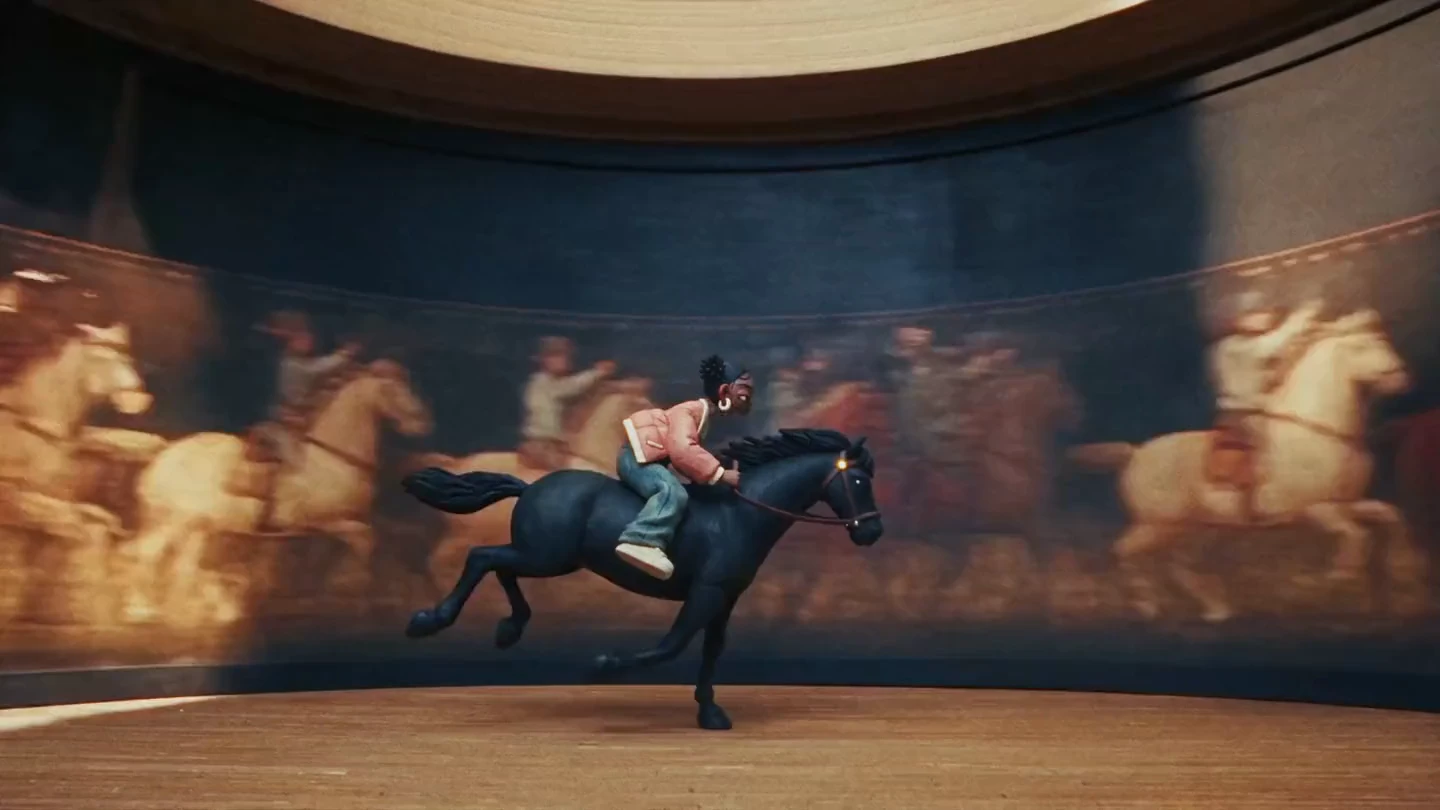
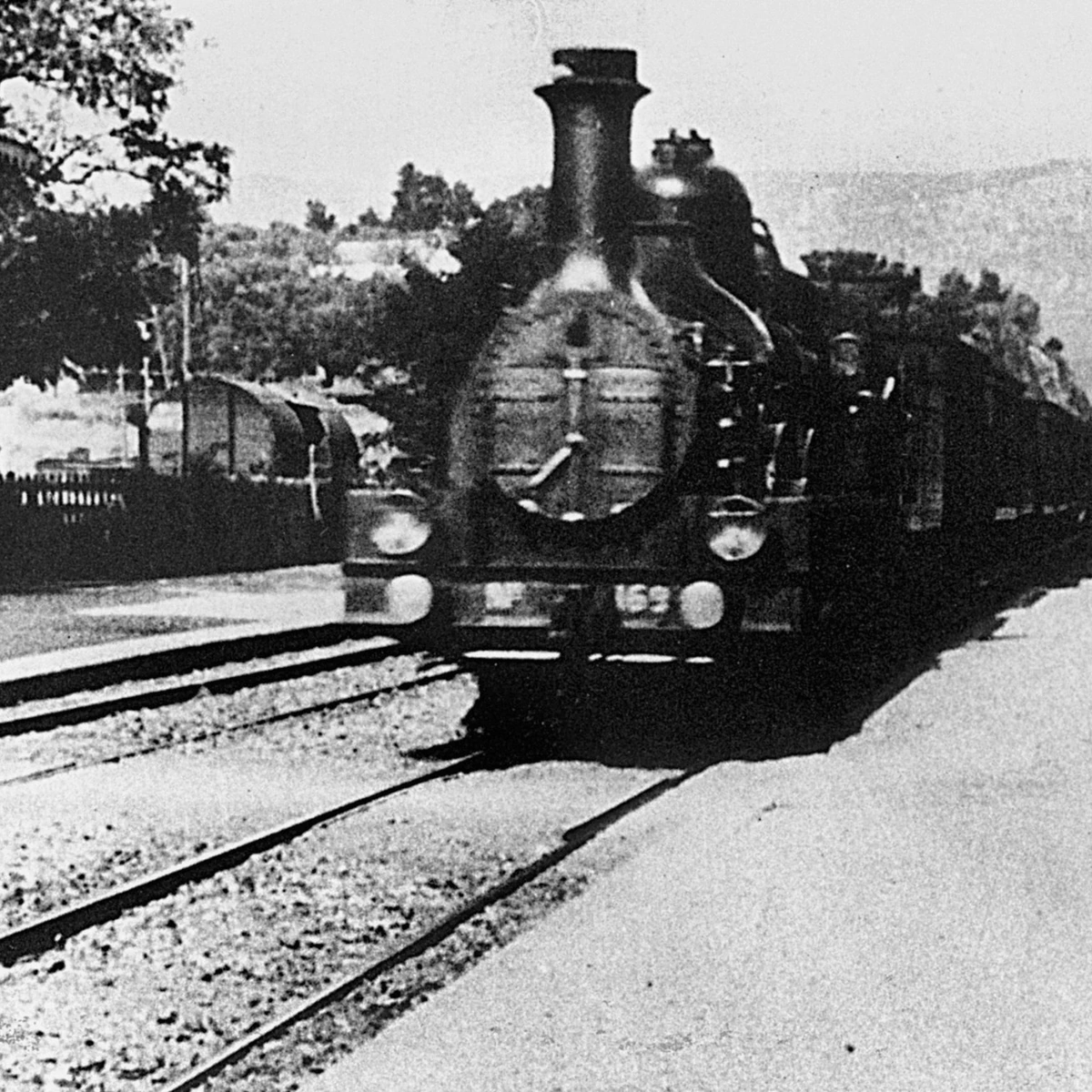
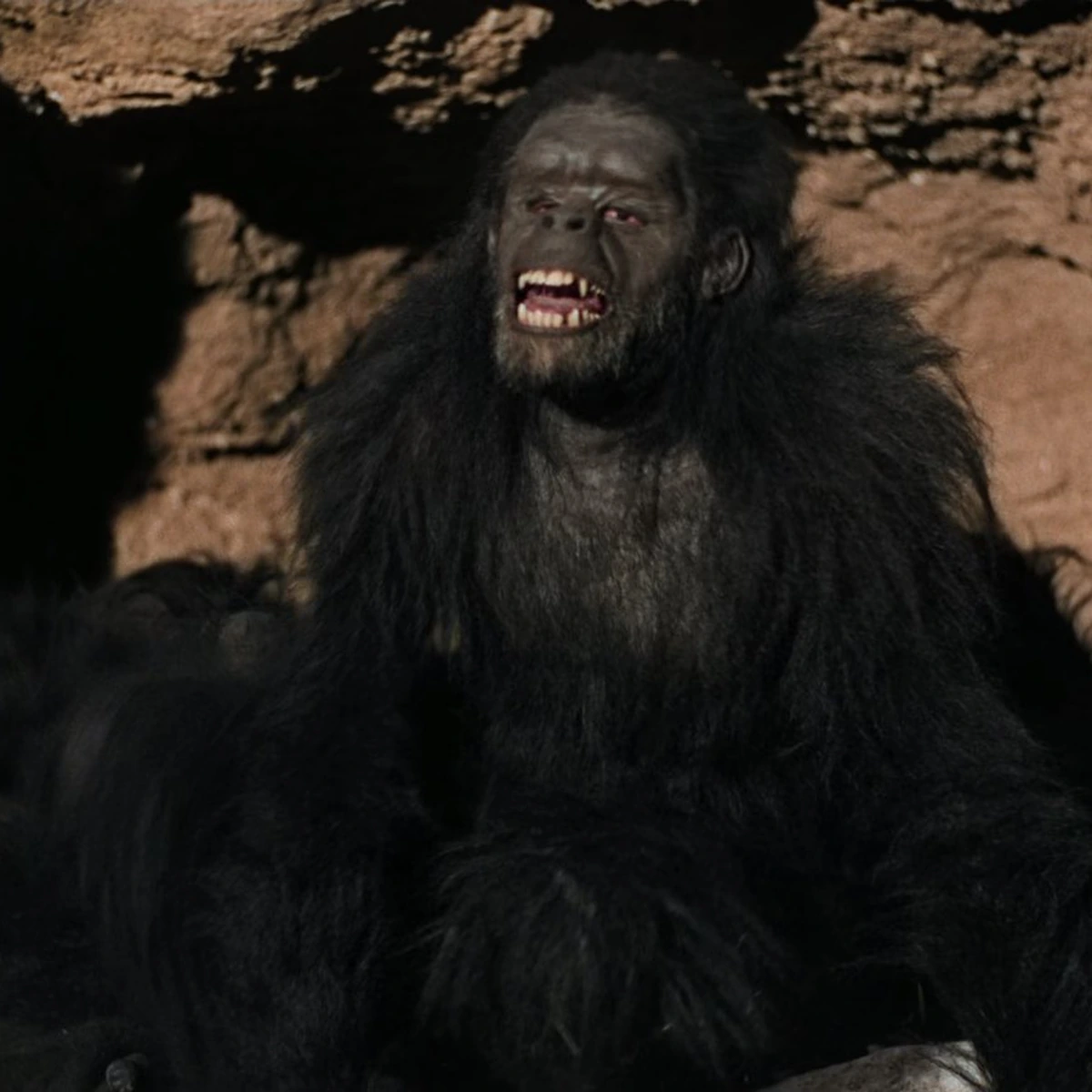
A sequence of drawings, a turning drum. Movement begins in the gaps between still images.
They don't make films.
Everything in between
is the work.
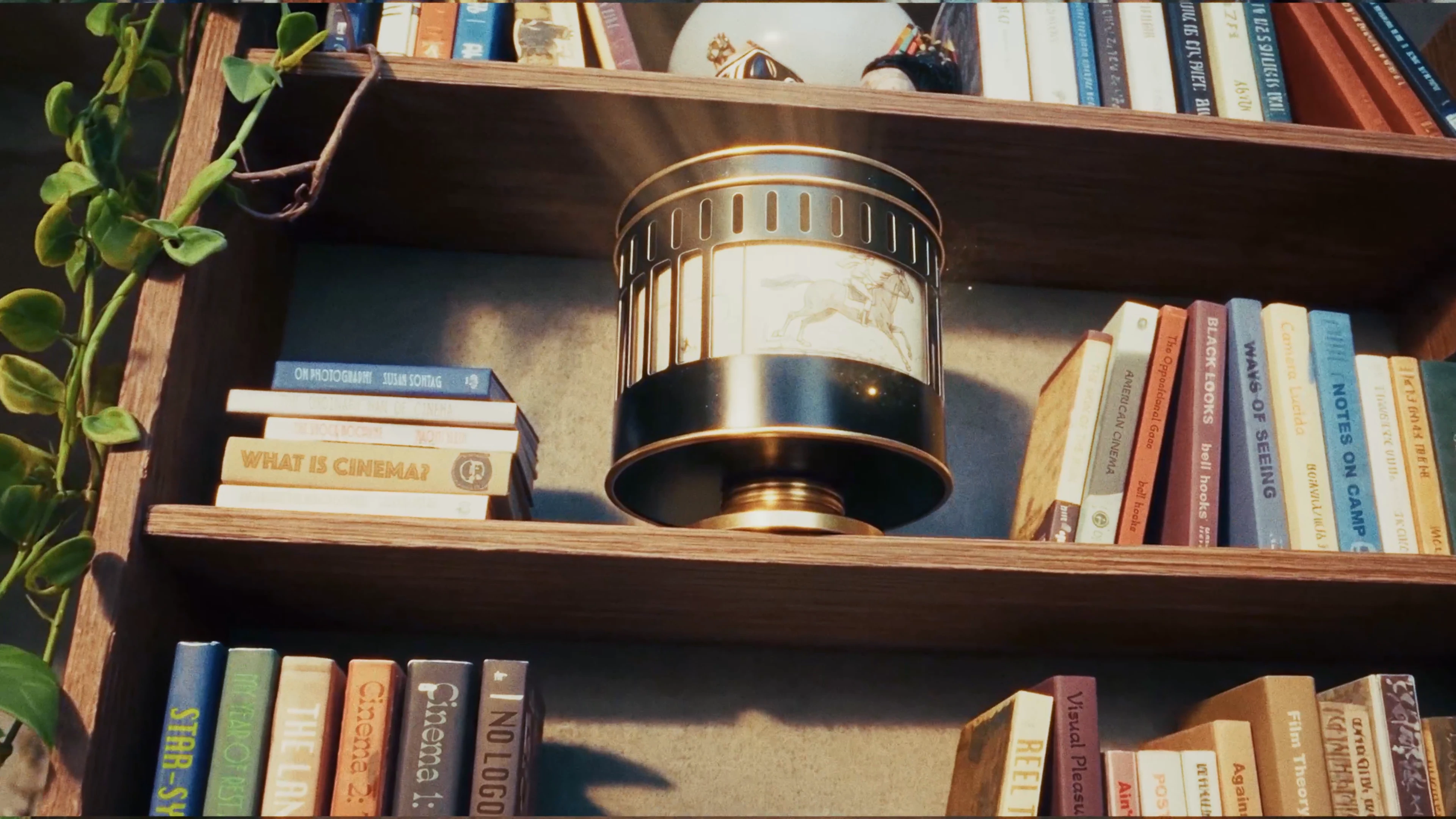
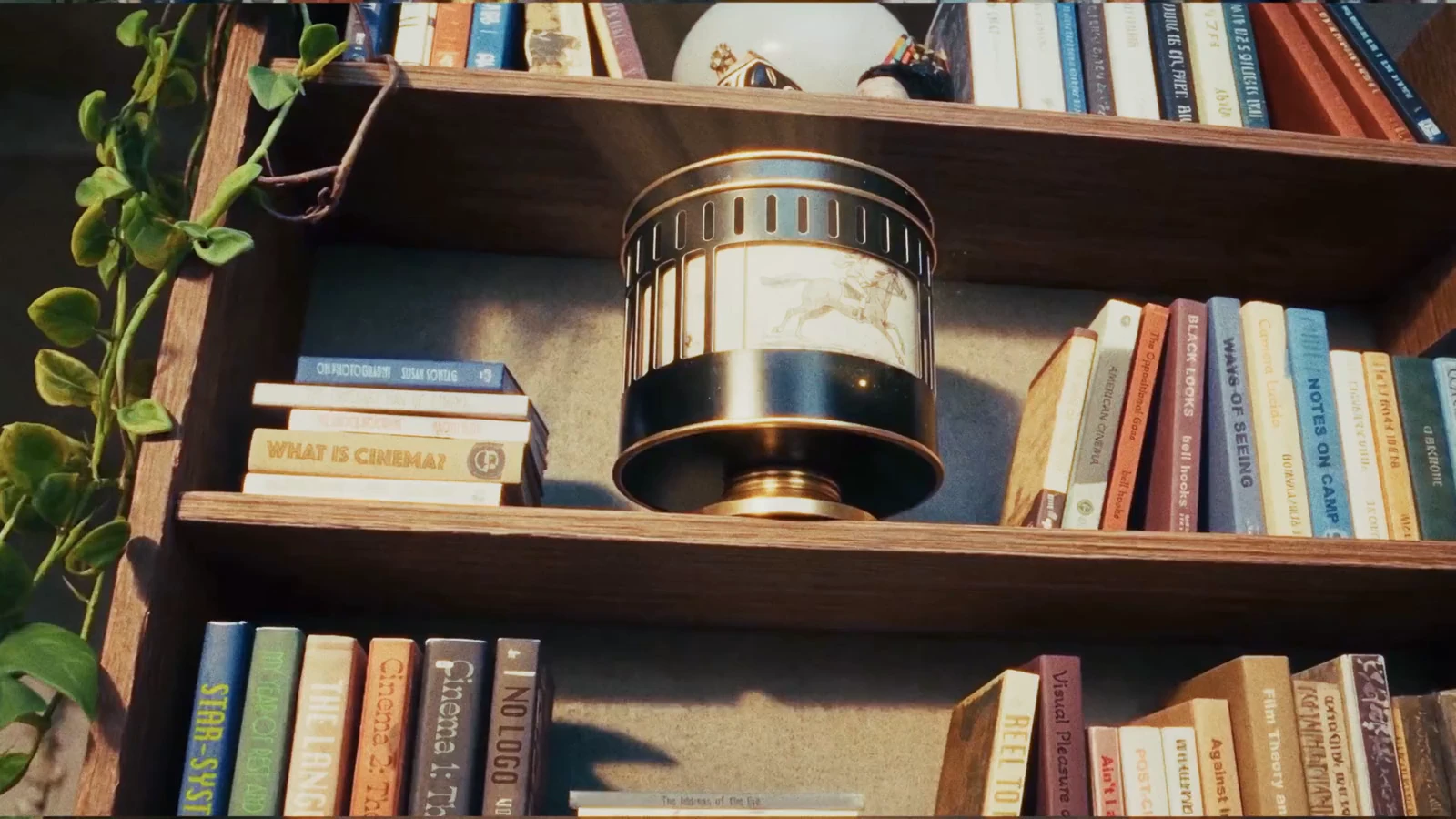
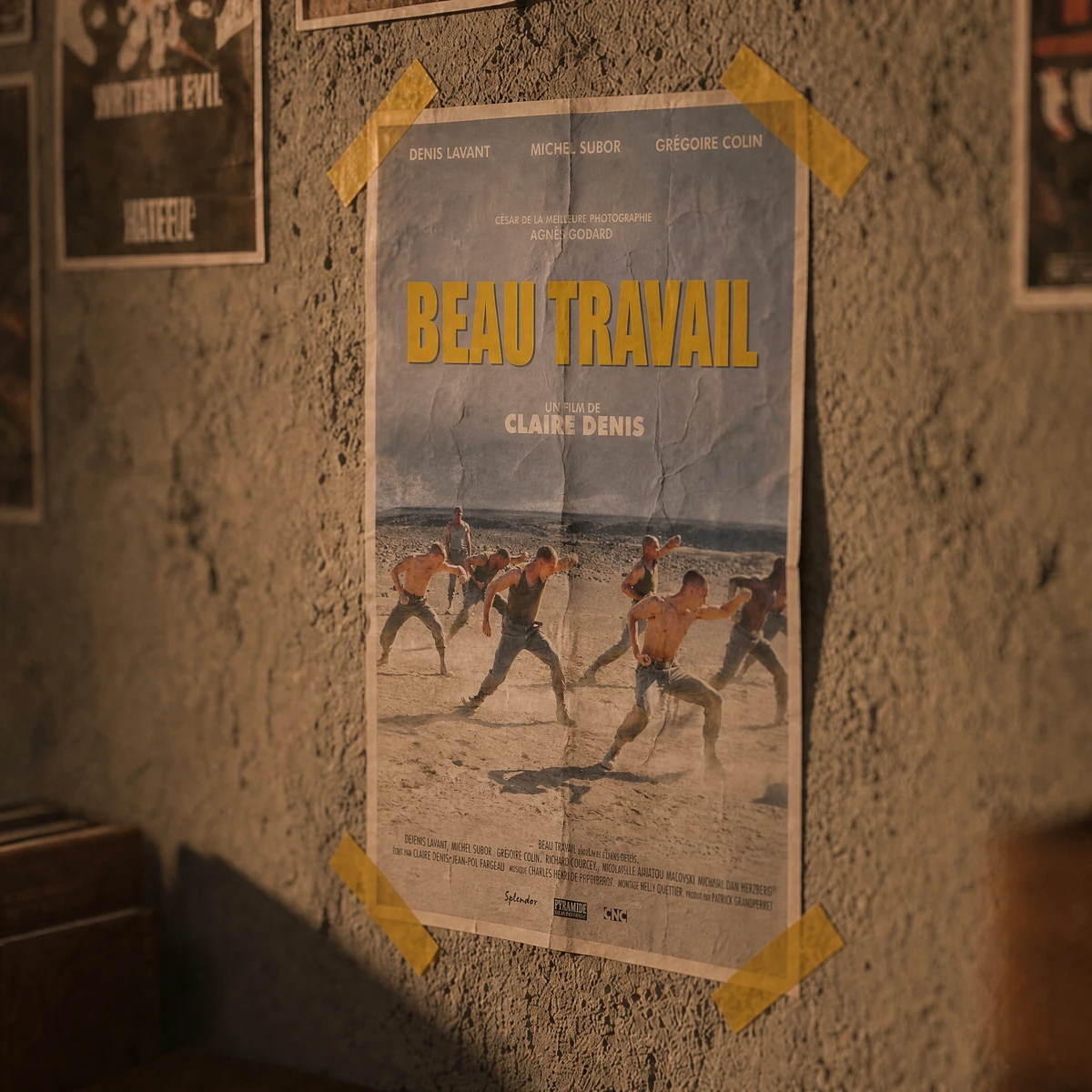
We chose the posters one by one, seventy percent of them directed by women, and rebuilt the bookshelf as a real cinema bibliography, spine by spine.
Nobody pauses the film to read a shelf. But that is the difference between a room that belongs to someone and a set that was assembled.
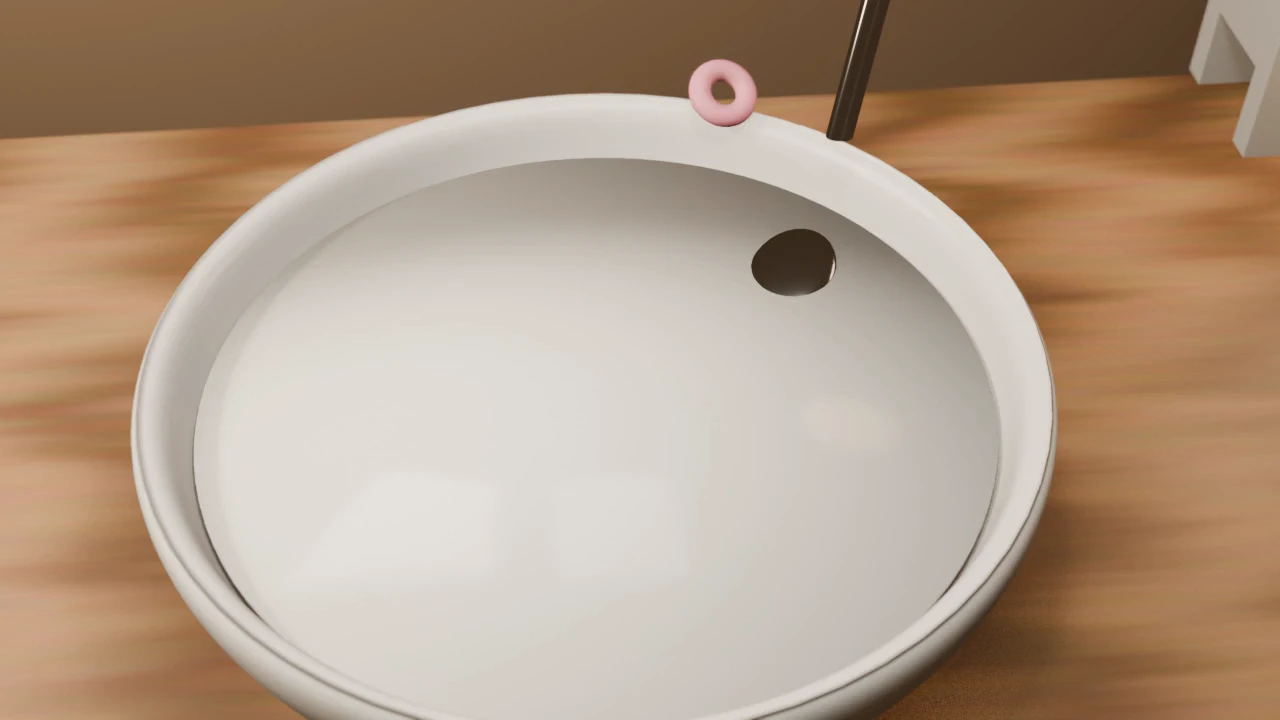
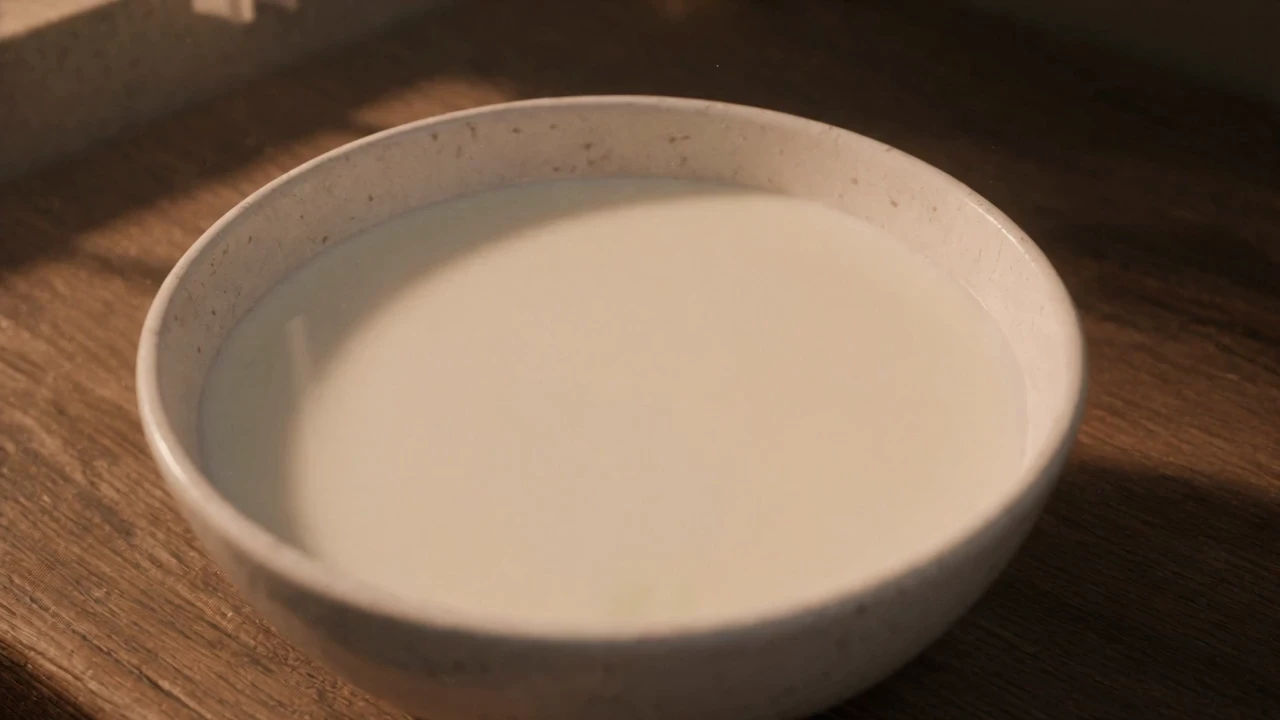
A model does not understand “orbit around her”. It understands what has to leave the frame, and in what order, so the move was built in 3D first and handed over as reference.
The credits were blocked out the same way, then set by hand, letter by letter. Hierarchy, spacing and timing are not decisions a tool makes for you.
The space
A model can give you the shot.
It cannot give you the space.
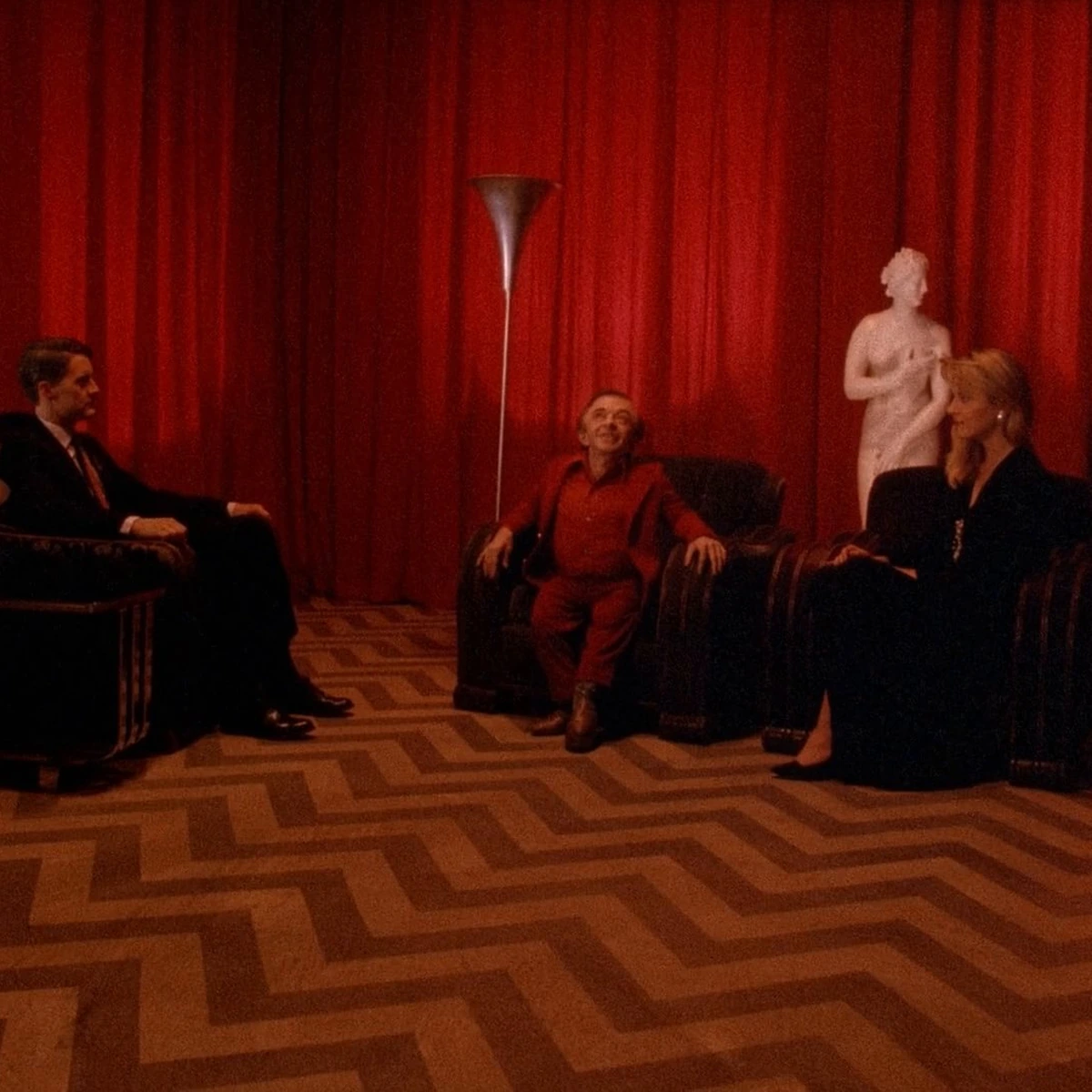
In this outtake, faces distort and a character appears twice. We mapped the Red Room so characters and cameras stayed in the right place.
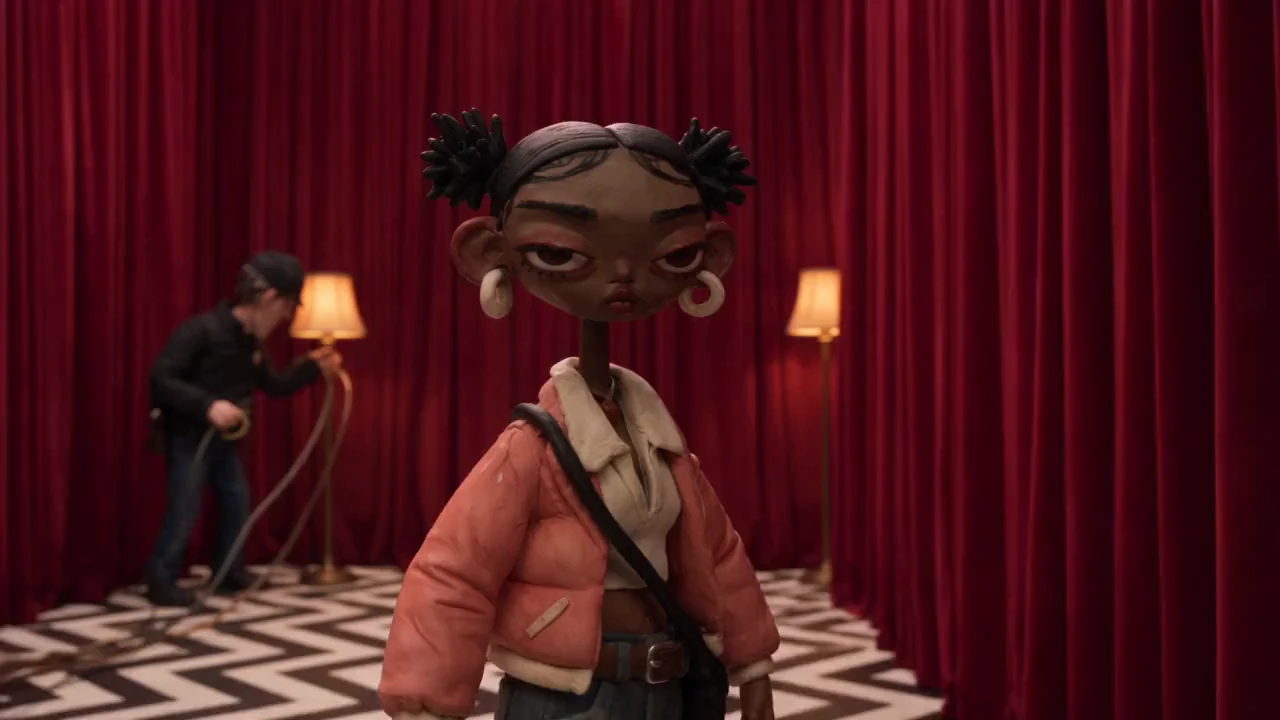
Everyone placed before a single shot exists: Aaliyah arriving, Laura on the floor, Cooper, the Dwarf, the Giant, the camera facing the curtains.
What worked was cutting the sequence first, as if the space were right, and then generating the shots that cut asked for. The other way round doesn't work.
you give it to the text, and the text
carries everything a direction would.
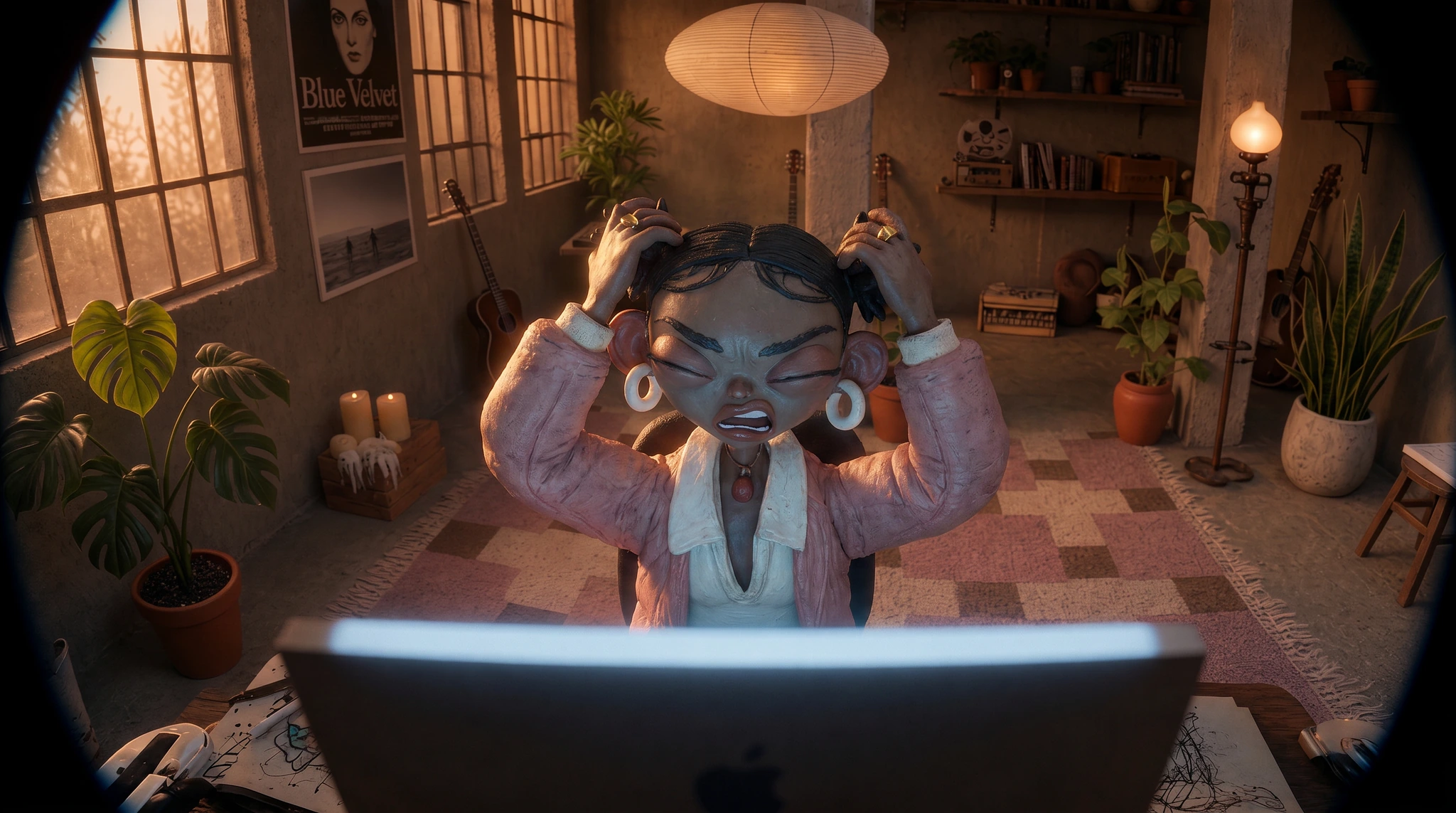
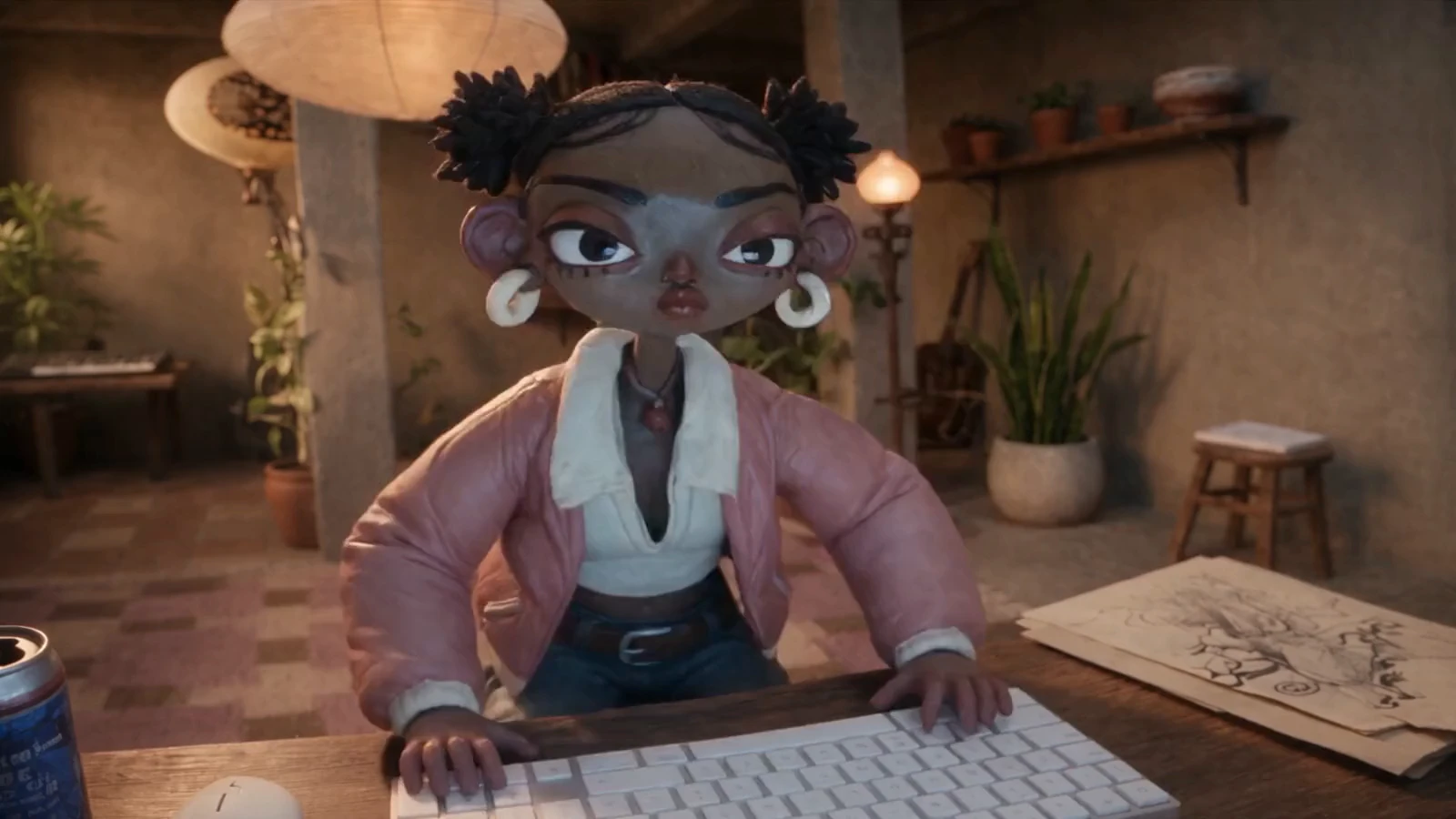
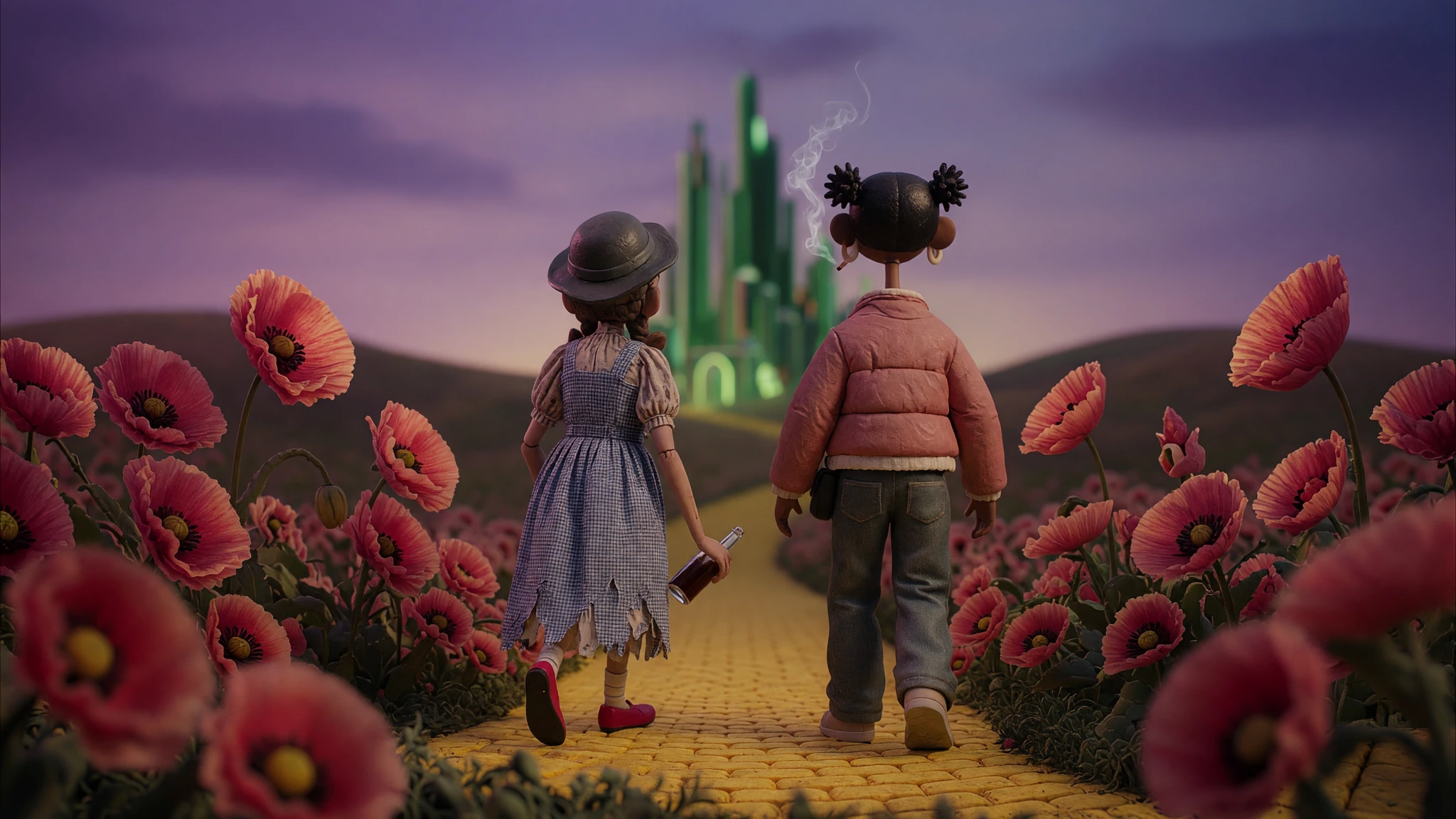
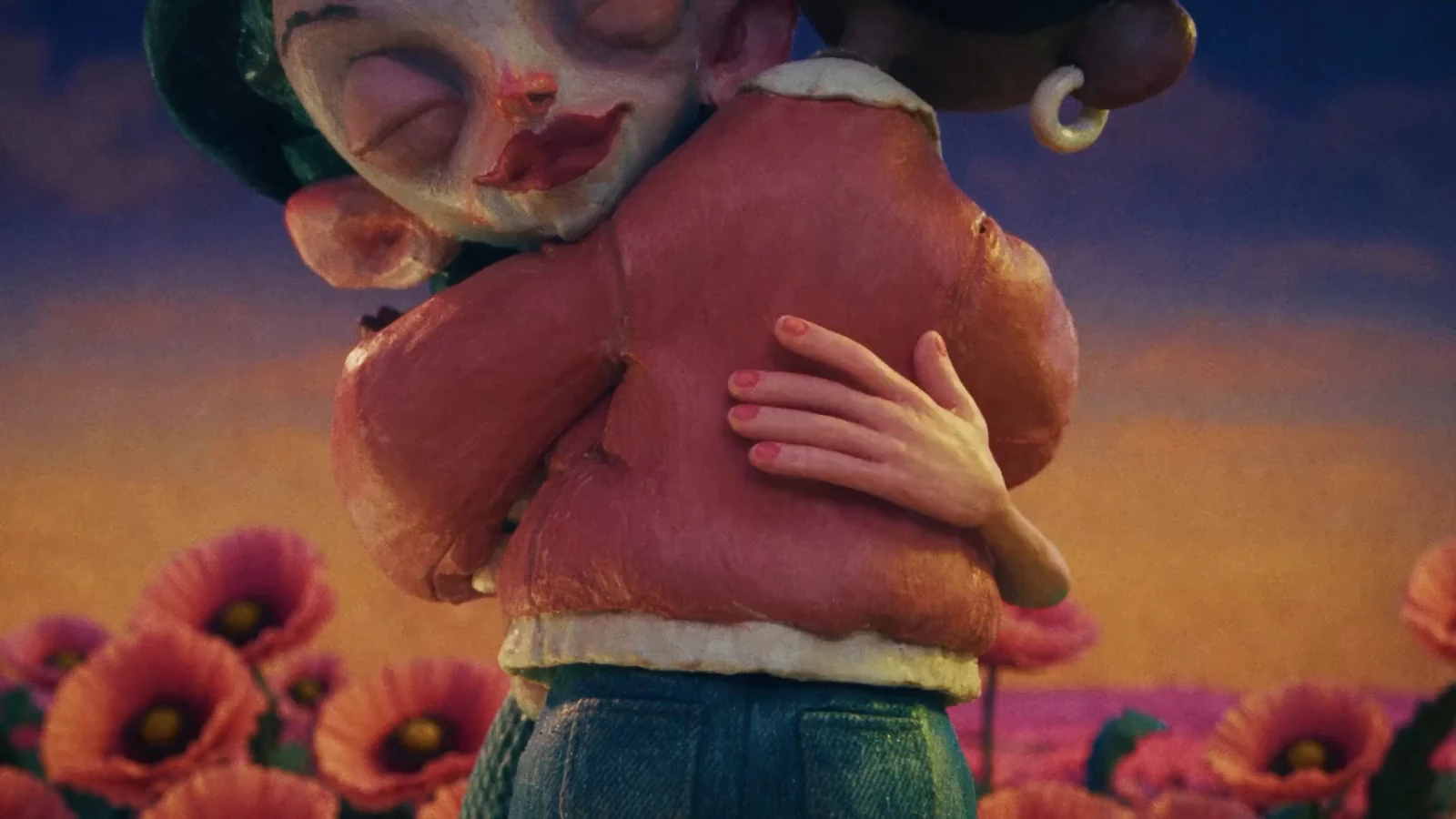
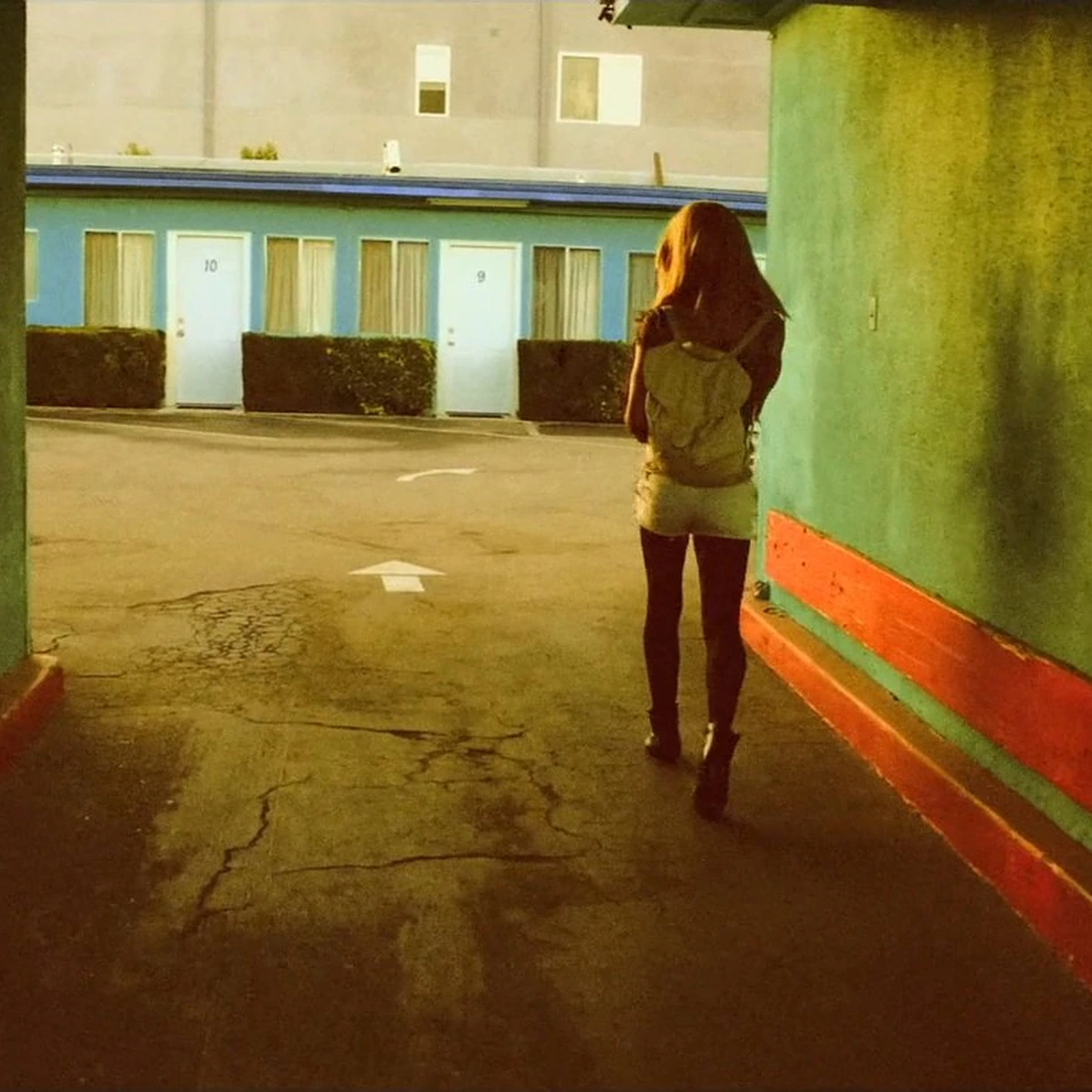
Judy is the one who will not let go. She hugs Aaliyah goodbye, lifts the lighter from her pocket while she does it, and ends up flat on the road lighting up with it. None of that is in the dialogue.
So the note is not “warm” or “sly”. It is what she wants from the other and what she is keeping to herself. An emotion is too broad; a relationship gives the movement something to answer to.
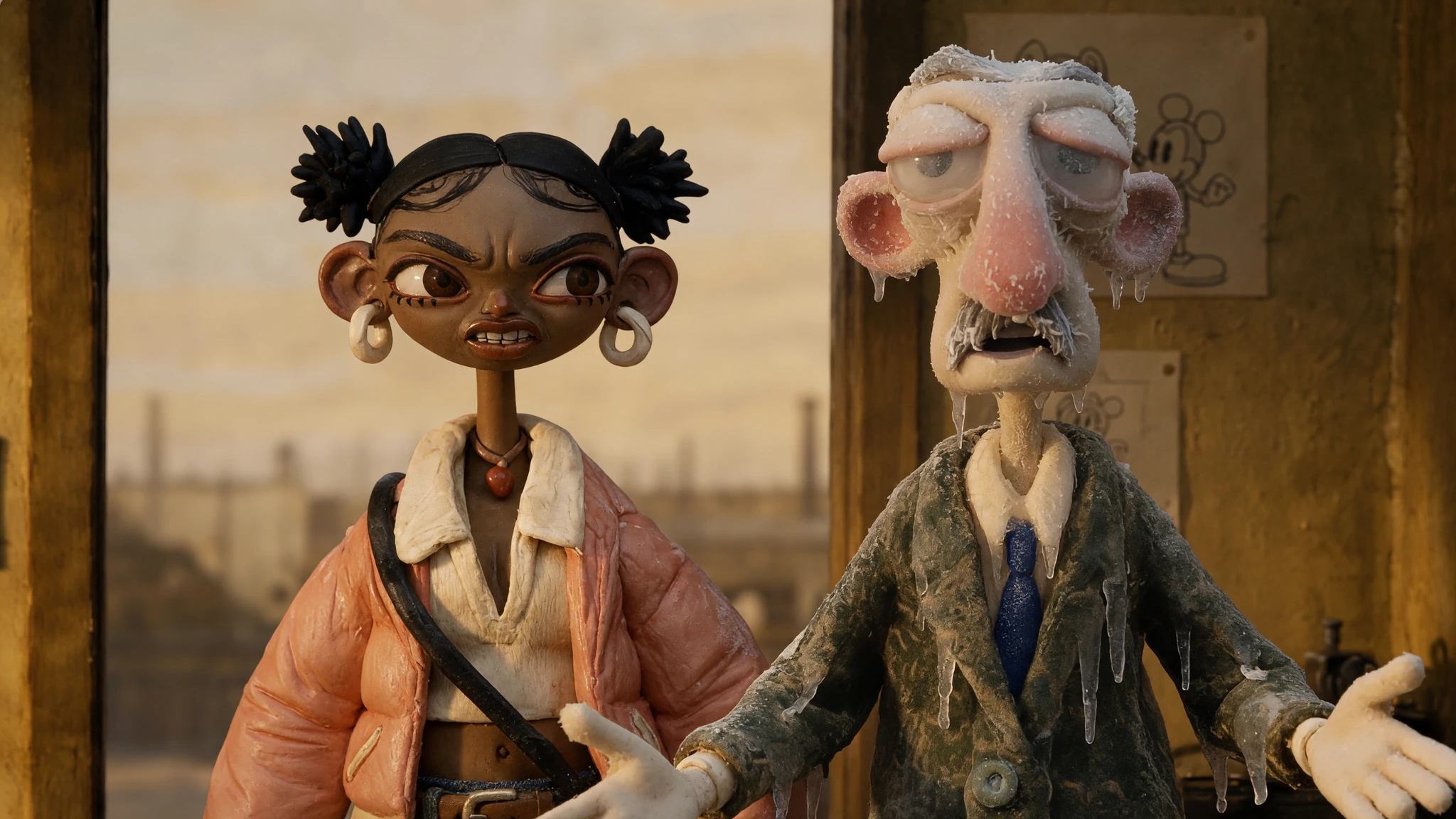
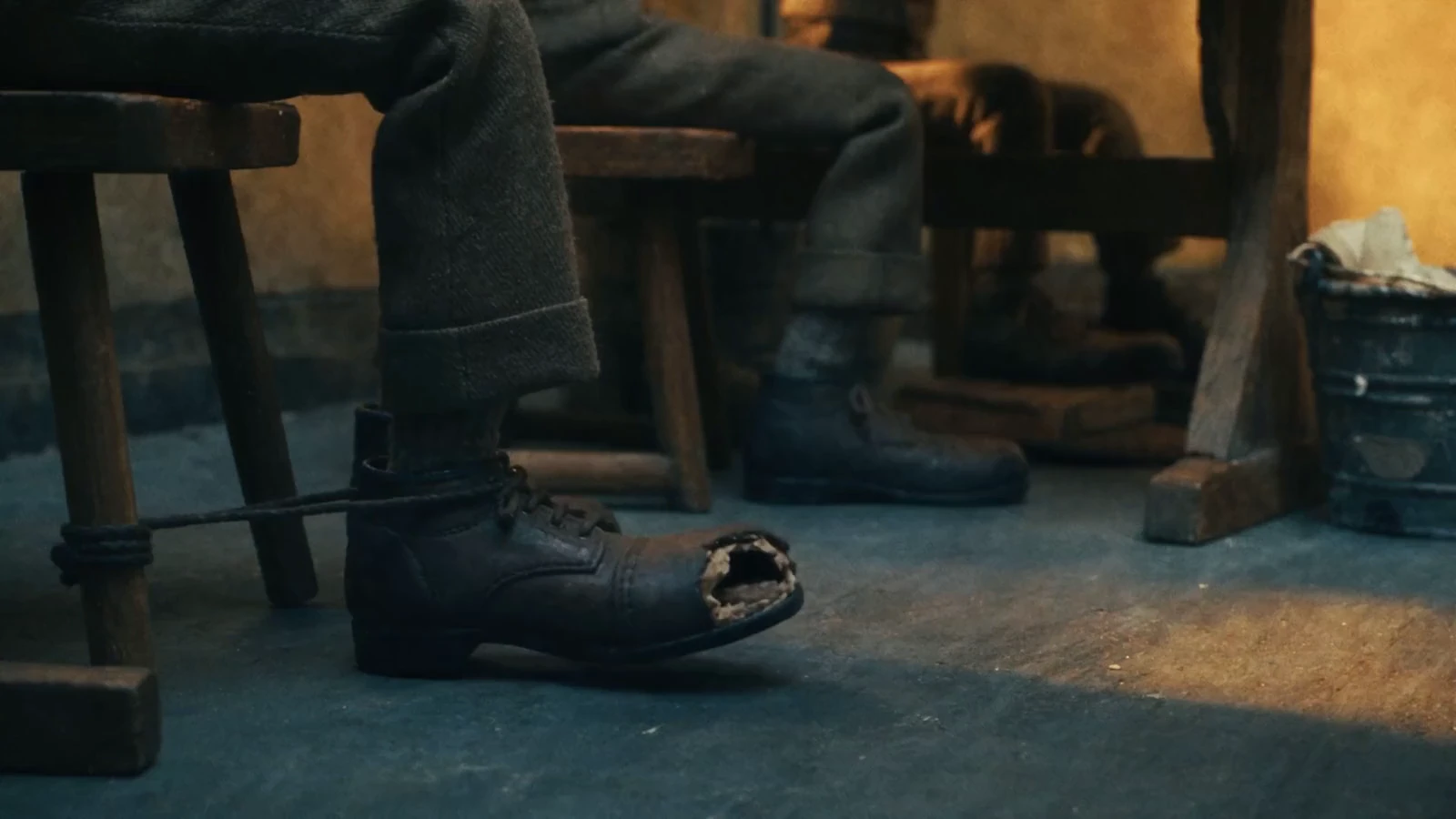
The camera finds the floor first: rows of stools, and a chain on every ankle. She says nothing about it. The next shot is her face working out what she is looking at.
Anger written as “angry” comes back as a scowl. What works is giving her something to receive, and letting the cut decide how long she has to take it in.
Sewn together
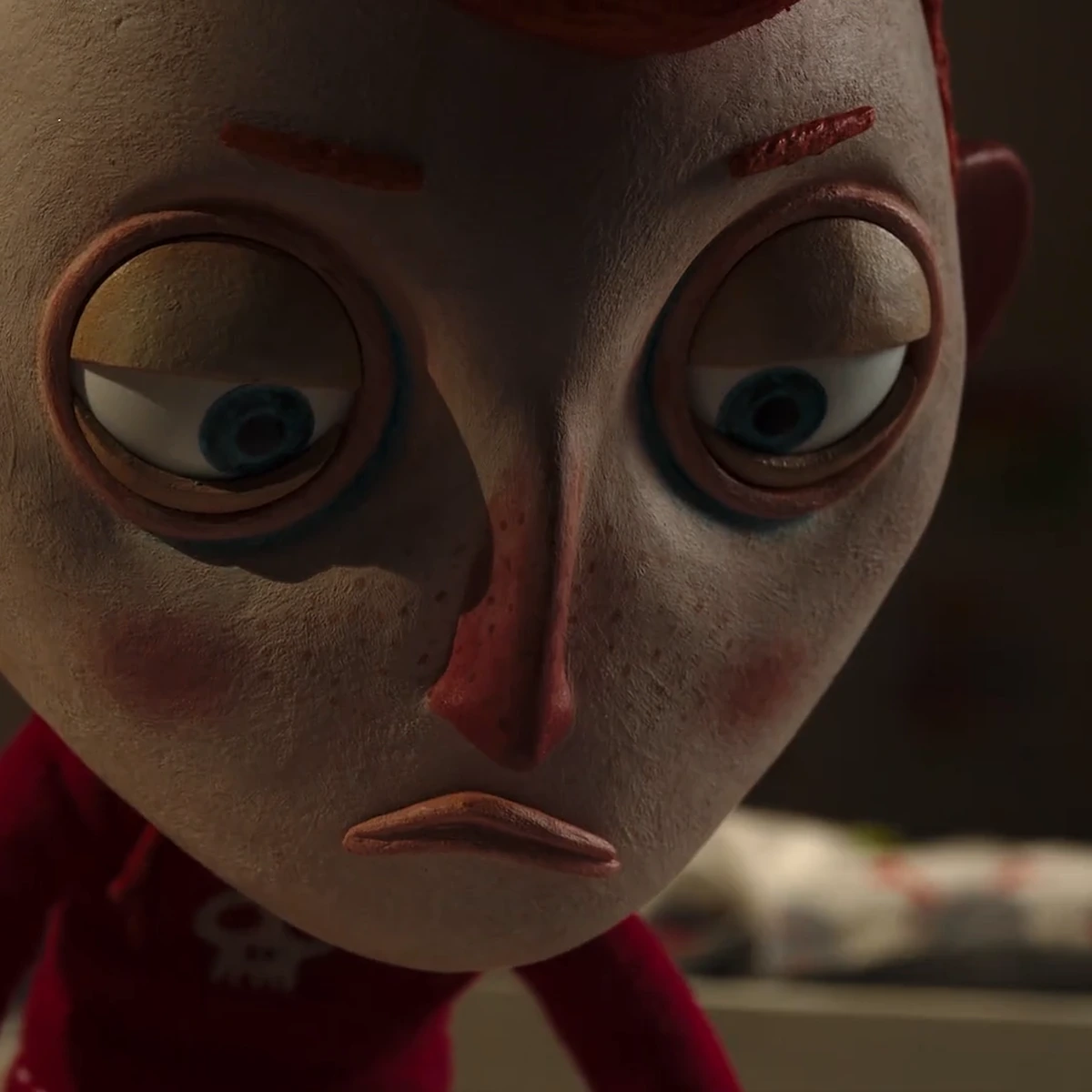
Each shot is generated on its own. We corrected the details by hand to keep the film consistent from one frame to the next.
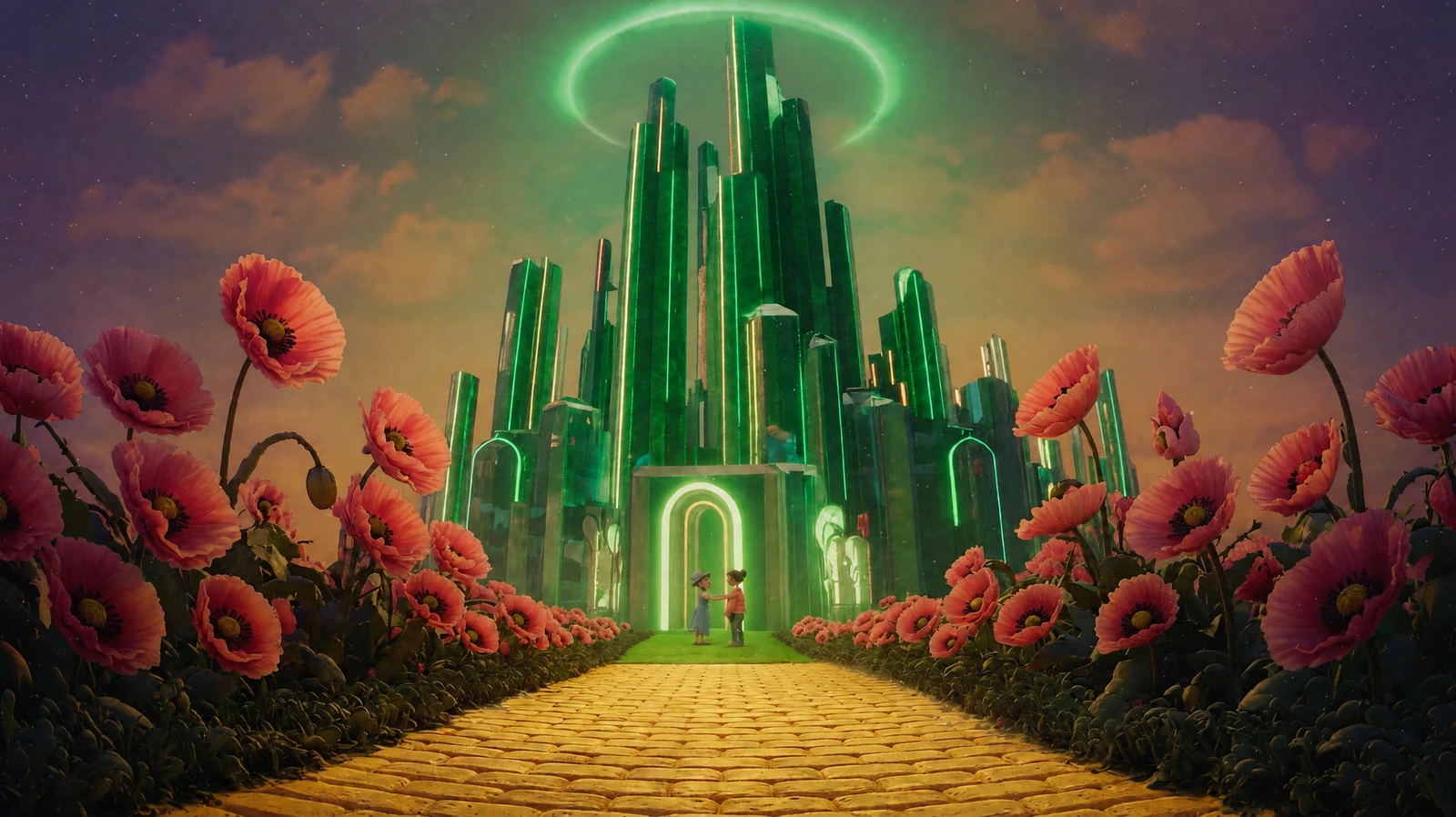
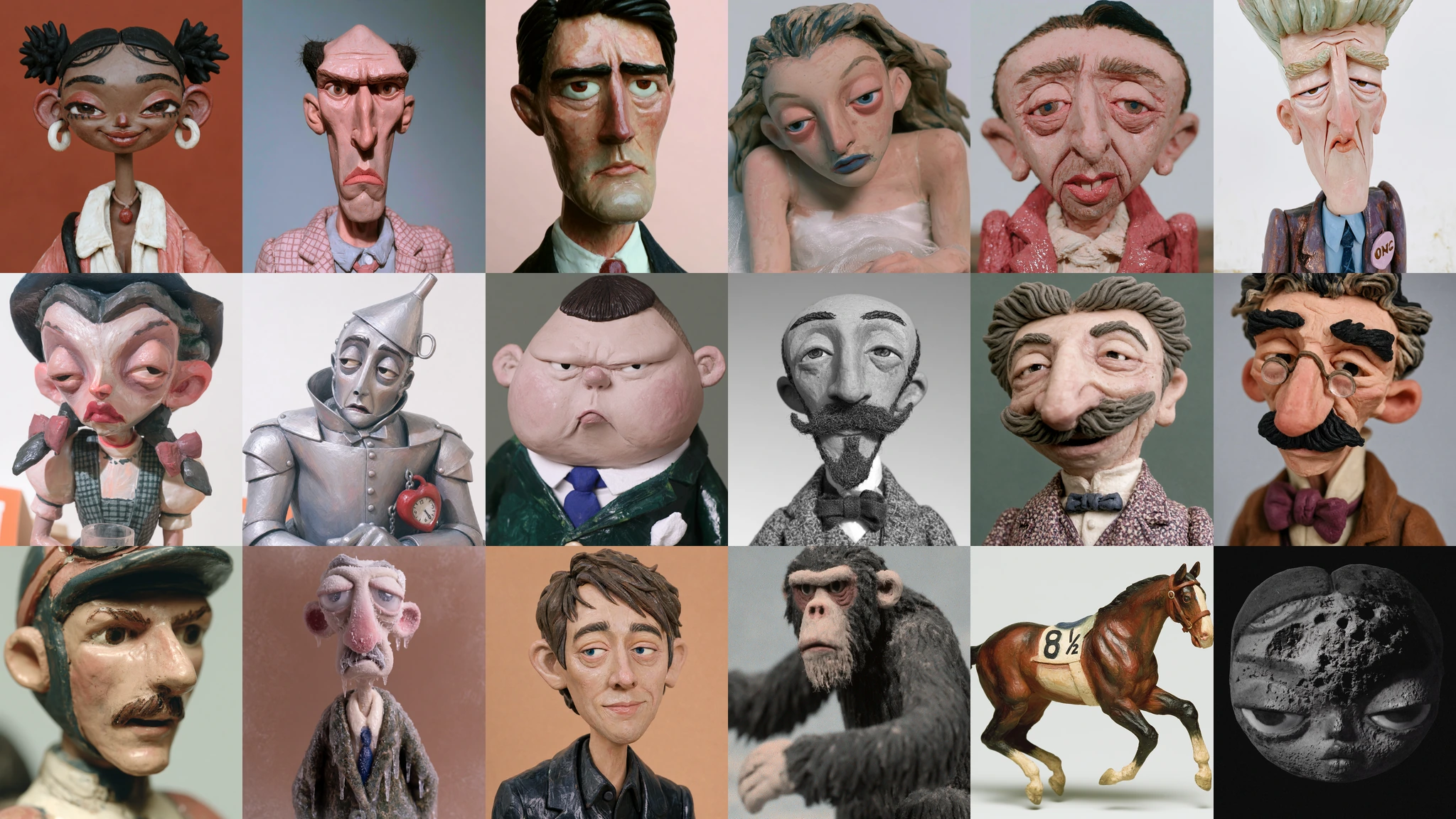
The figures the model put at the gate, against the shot that ended up in the film.
THE CUT
THE FILM WAS FOUND IN THE EDIT, NOT IN THE SHOTS.
The opening was built twice. First as a wide of her room, then as a run of details: the fan, the posters, the window, the cereal, the ashtray.
Both were wrong. Objects tell you what someone likes. They do not tell you what is wrong with her.
So the client goes first. The call, the deadline, the seventh round of revisions, and only after that the room — fewer things, and only the ones carrying the state she is in.
Most of what we generated for that opening is not in the film.
Sequences that added nothing were cut, keeping the film under ten minutes.
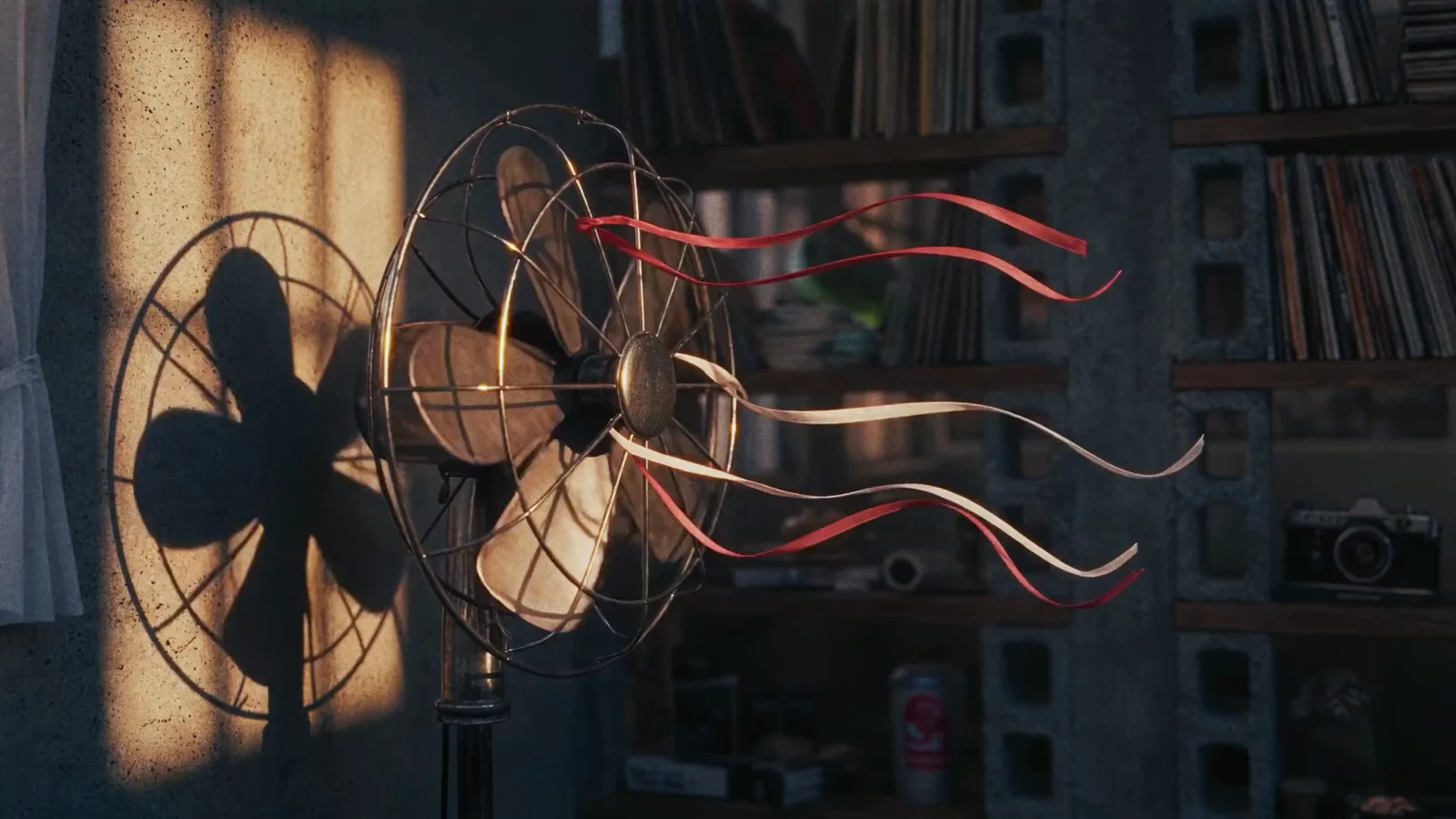
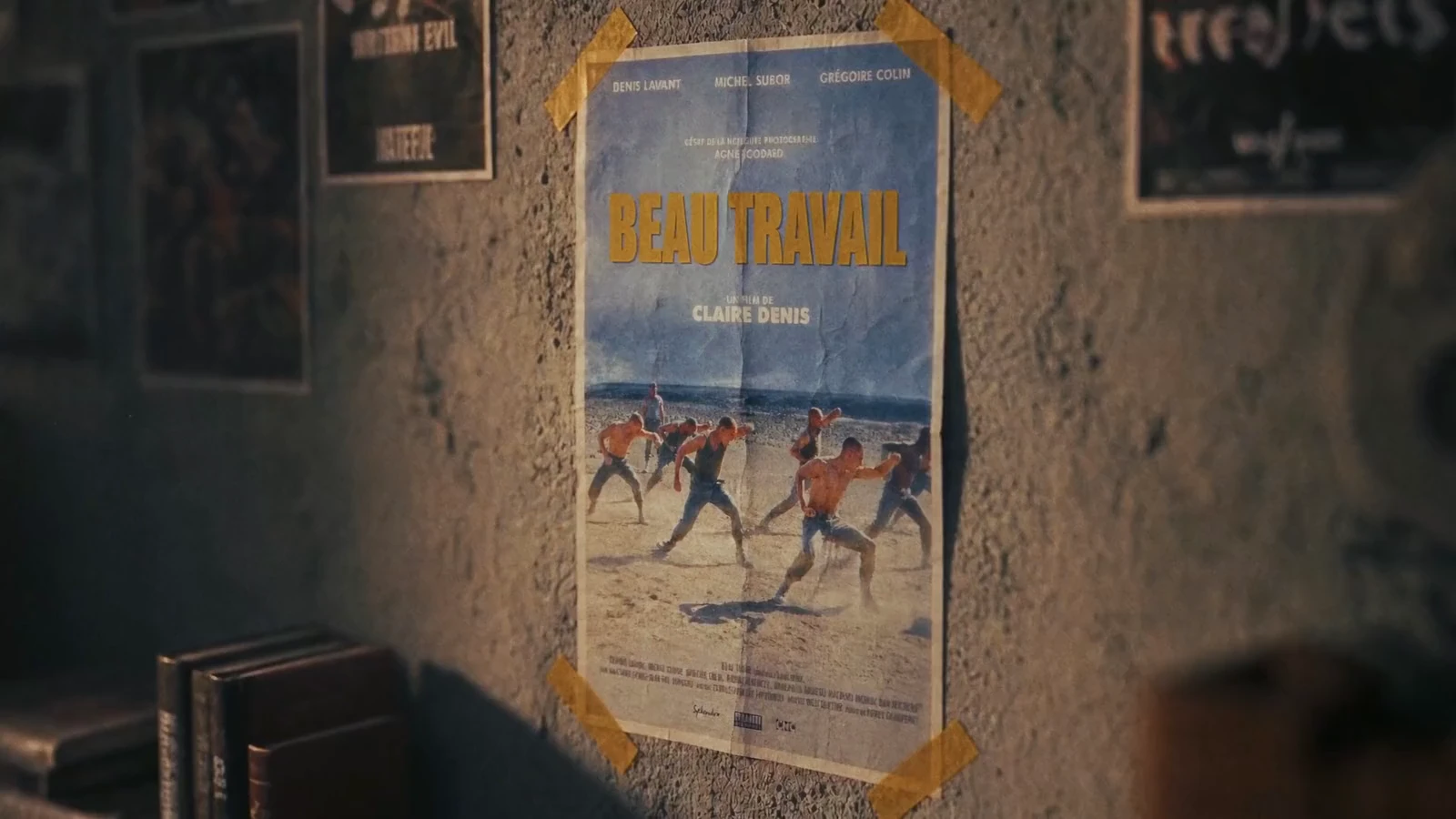
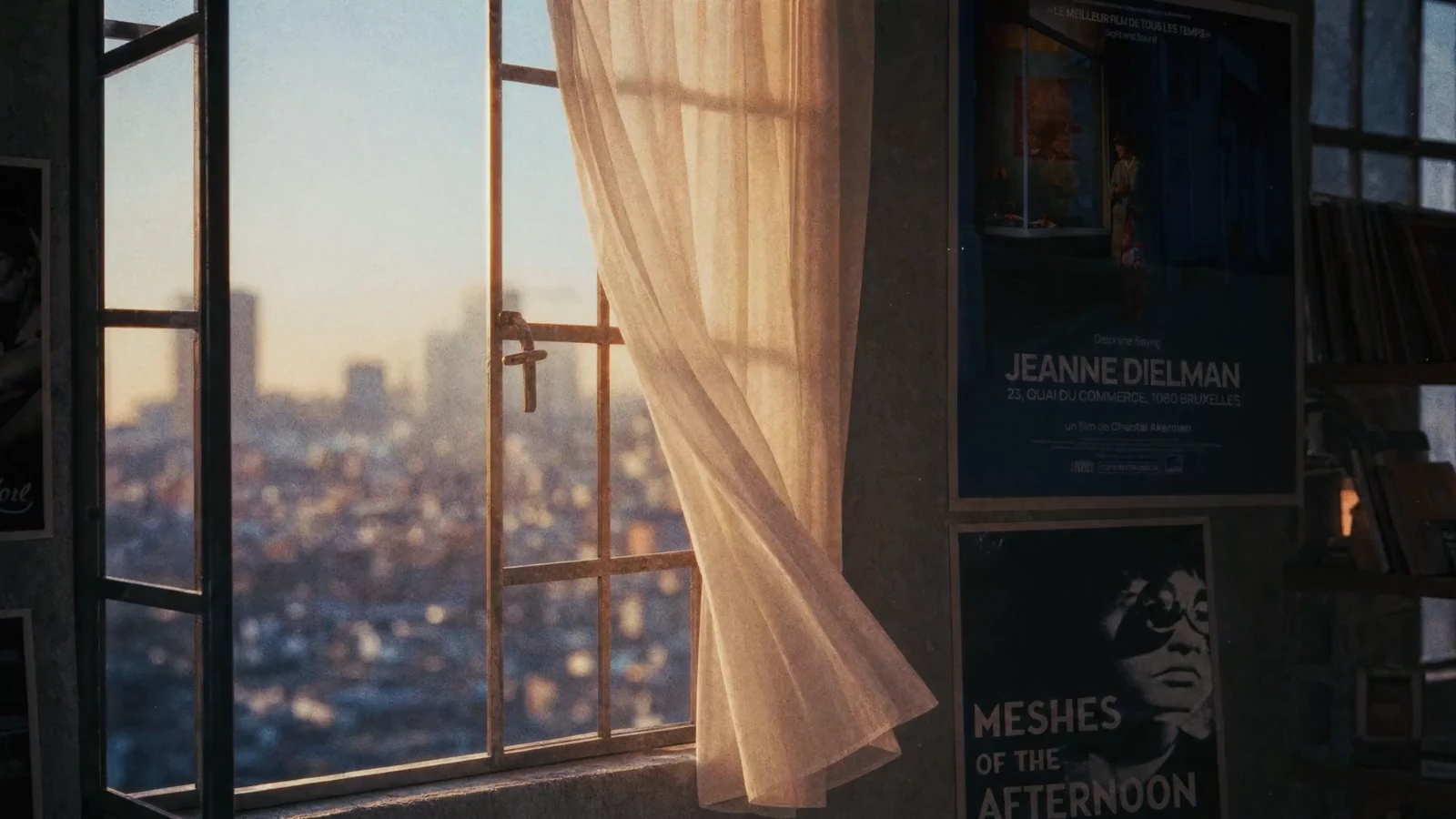
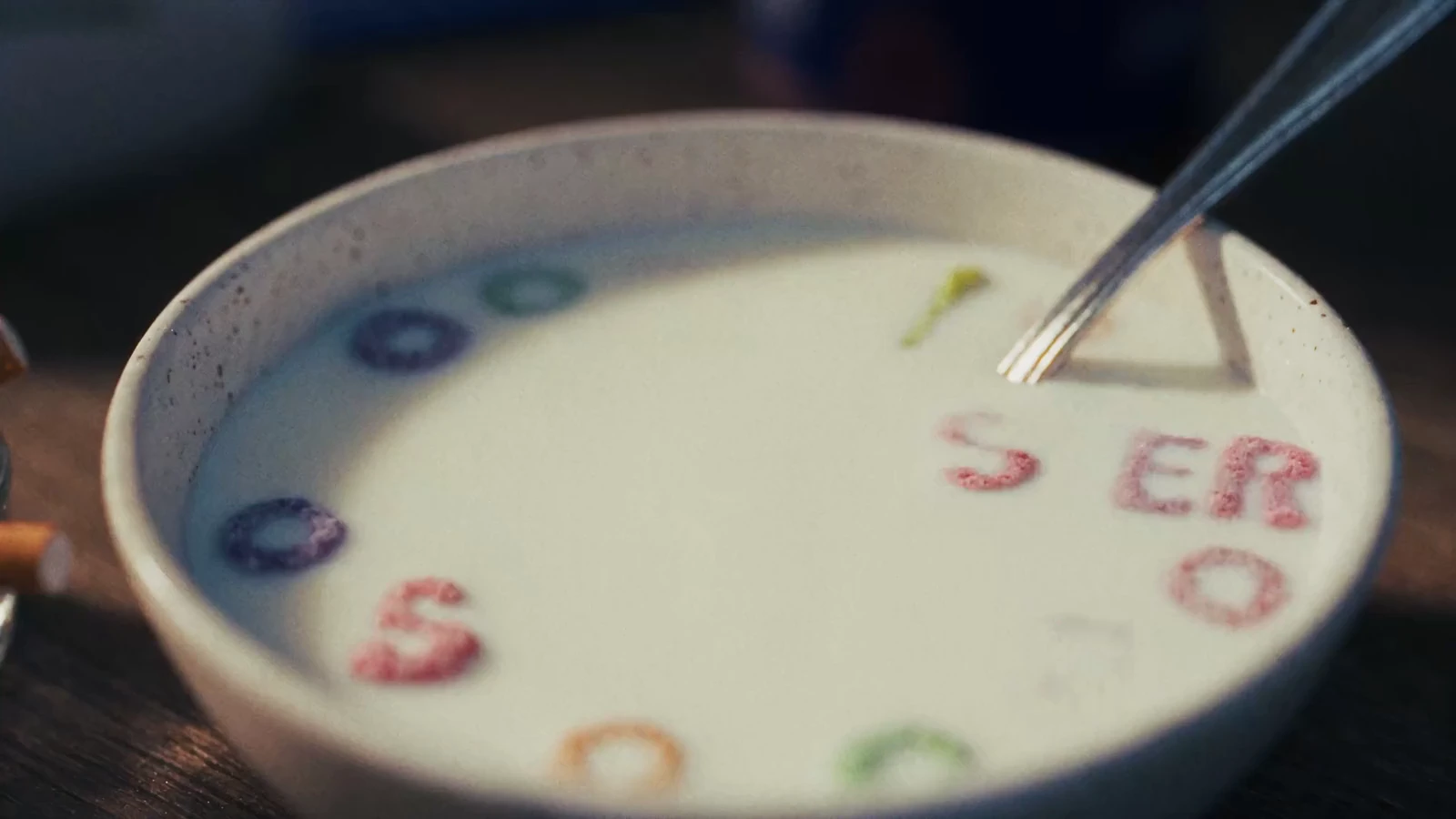
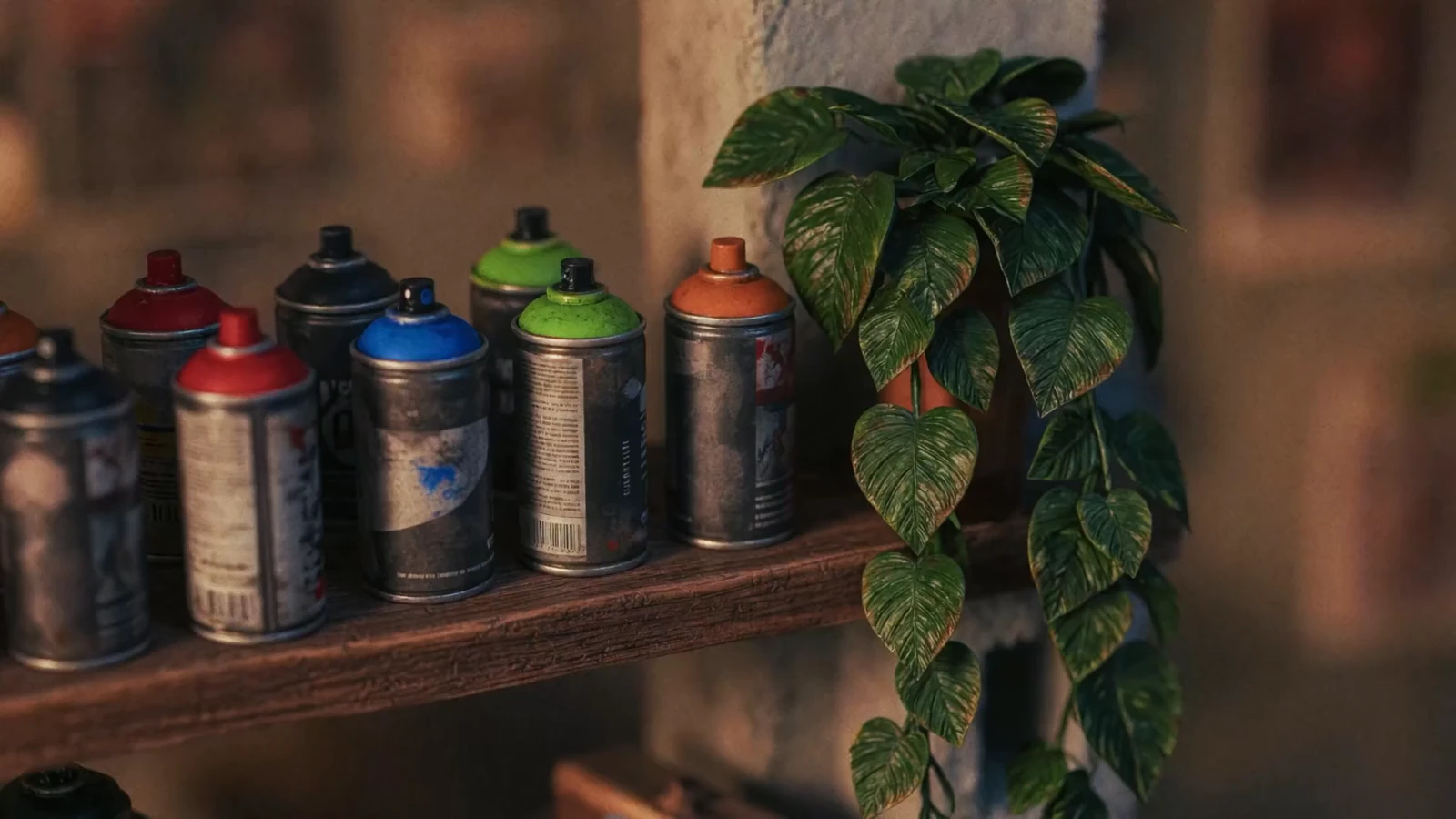
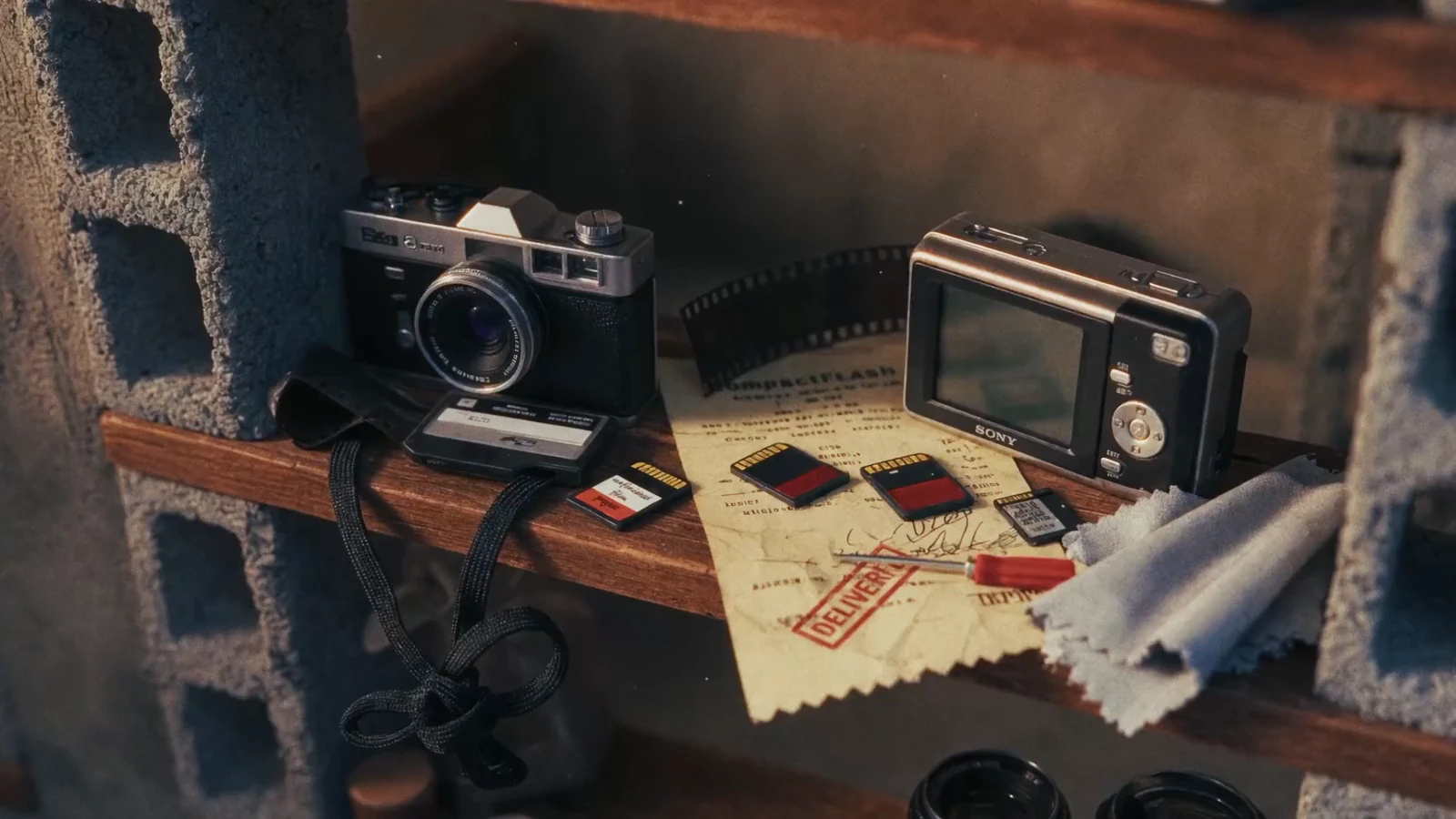
Olmo designed the sound. The edit decides when it enters: room tone and keys first, music only when needed. Credits and grain were finished by hand.
We also cut a line explaining the trick. It made the machine sound like the filmmaker. Leaving it unsaid gave the ending more room.
Continuity. The bag, the coffee maker, the clips, the reel. Sewing together a film generated in pieces that don't know each other.
Resolution. Much of the film was generated at 720p, because that was what existed when we started. Then 1080 arrived, then 4K, and shots had to be redone twice. Upscaling saves nothing: on a wide shot full of detail it invents what it cannot see.
Iteration. On one shot, three hundred bad versions before the good one. That is not a figure of speech. Multiply it by every shot in nine minutes and there is the time.
Wishes per Second