LE FLEUR MARITIME
Concept campaign · A transatlantic crossing
The sequel to Express, aboard a 1950s transatlantic liner.
Real Golf le Fleur products, the real logo, a capsule for babies, and Tyler, The Creator lip-syncing — made to measure how far continuity and finish had moved in six months.
- Media:
- Film
- Type:
- Commercial
- Published:
- OCT 2025
View more +View less −
- Models
- Kling
- Nano Banana
- Seedance
- Grok
- Tools
- MITO AI
The process
How it was made
Nobody commissioned this. Golf le Fleur is Tyler, The Creator's label and it never asked for a campaign. Express — a train crossing a sunflower field — went out at the end of March 2025. Maritime went out in October. Both exist for the same reason: to run the same exercise twice, six months apart, and see honestly what had changed in between.
A 1950s transatlantic liner was chosen because it is a closed world. One hull, corridors that repeat, the same brass, the same light, the same eight colours in every room. A world that small is the hardest kind to fake and the easiest kind to check: if a corridor drifts, or a uniform changes its piping between two shots, you see it immediately.
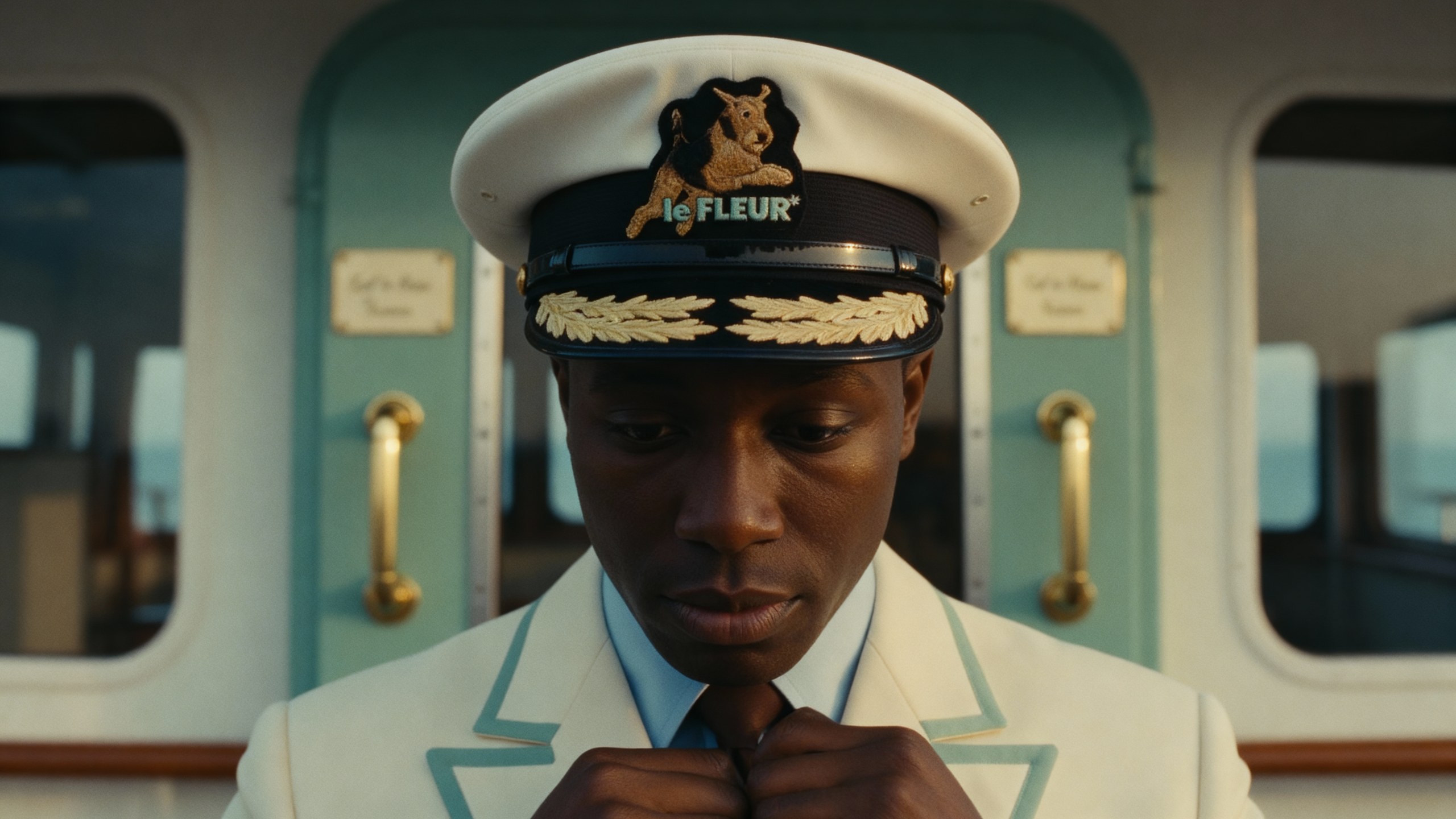
So every frame was written against the same paragraph. A perfectly symmetrical photograph aboard a 1950s cruise ship, flat, frontal, centred. Thirty-five millimetre, horizontals and verticals level, soft grain, warm halation on brass. A golden key from starboard at about fifteen degrees, a matched edge from port, cream bulkhead bounce holding roughly 1.6:1. A palette with a door on it — mint, butter, pale blue, blush, cream, sage, walnut, brass, and nothing else. Cap badges specified as real gold bullion embroidery, wire coils and purls with relief and shadow, never a printed patch. Nobody looks at the camera. Nobody poses.
The one thing Express could not do, Maritime does throughout: it uses the brand's real products and the real le Fleur logo — the Airedale terrier — as they exist in the shop, and then invents the only part that does not exist. The adult collection is cut down into a capsule for babies. A varsity jacket at the size of a six-month-old, an oxford shirt with its embroidered collar, a knit with the dog on the chest.
The collection
The original le Fleur piece vs. the film
Every garment and object on this ship has a twin in the real shop. On one side, the catalogue photograph: flat light, white ground, nothing carrying it but the product itself. On the other, the same thing inside the world — worn, held, folded into a cot, shrunk to a size that was never manufactured.
Nothing here was designed for the film. The film was built around what already existed, which is the only honest way to find out whether a generated world can hold a real object without quietly redesigning it.
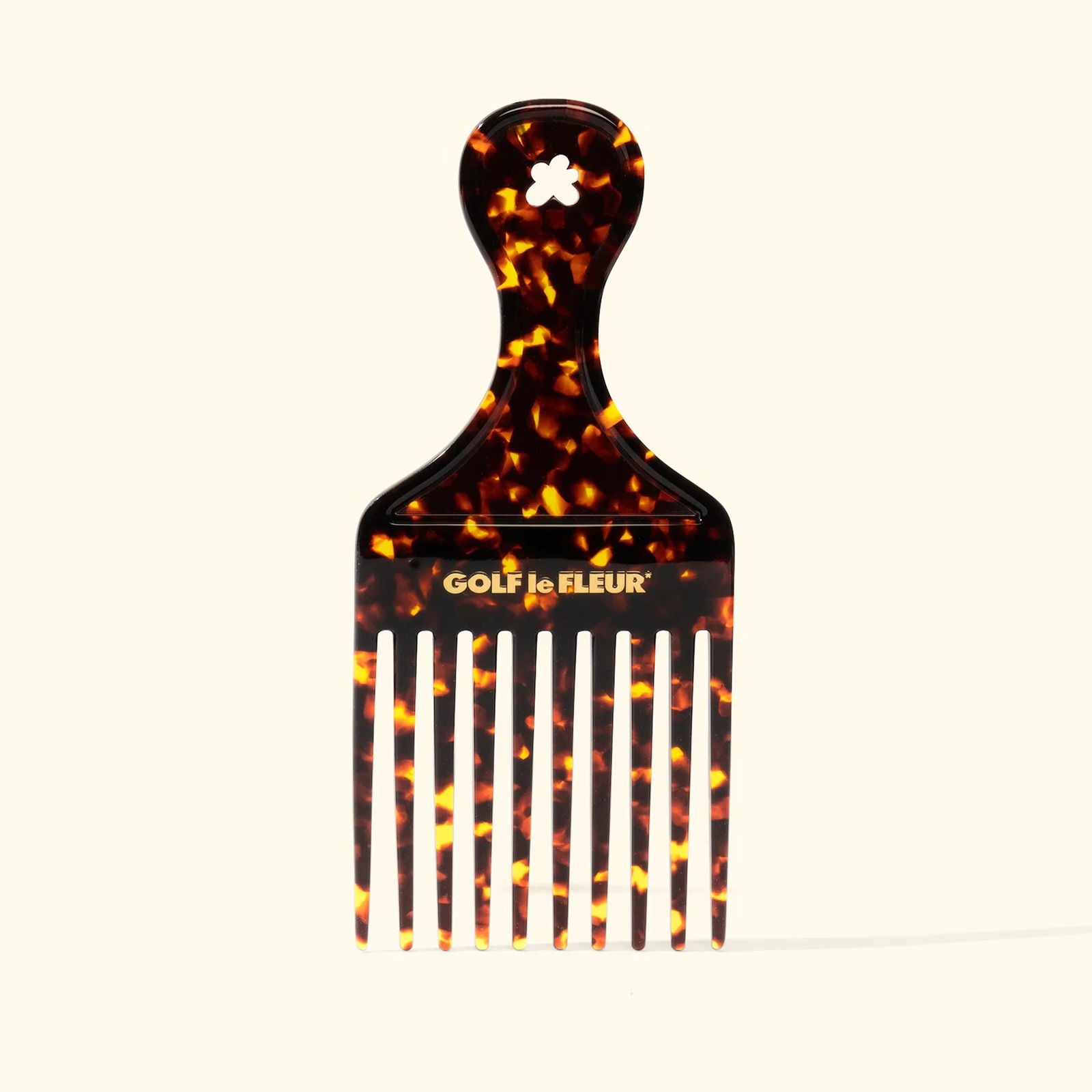
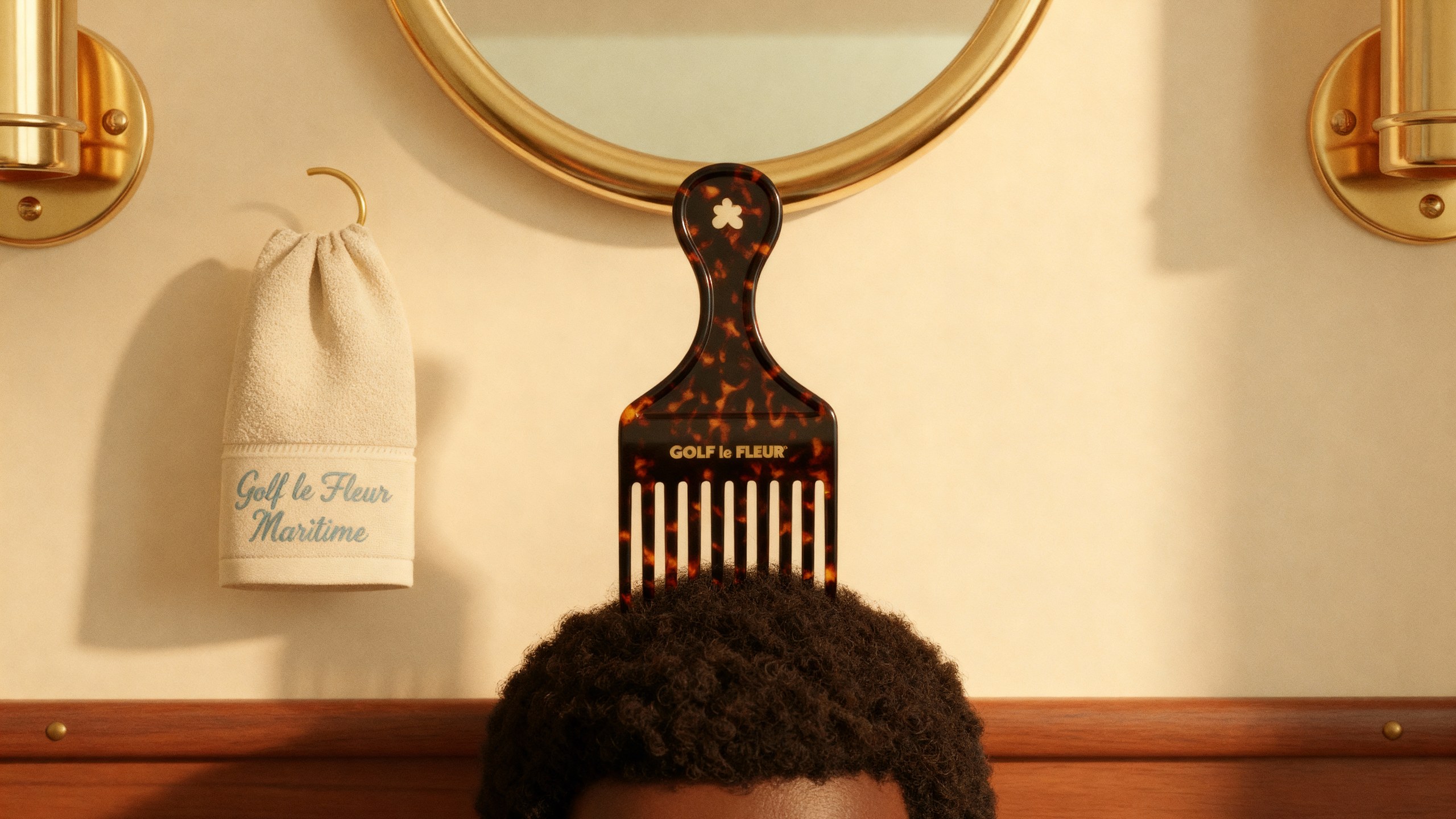
The pick is never held or demonstrated. It is left standing in the hair, next to a laundry pouch embroidered with the ship's name, and the tortoiseshell has to read exactly as it does on white.
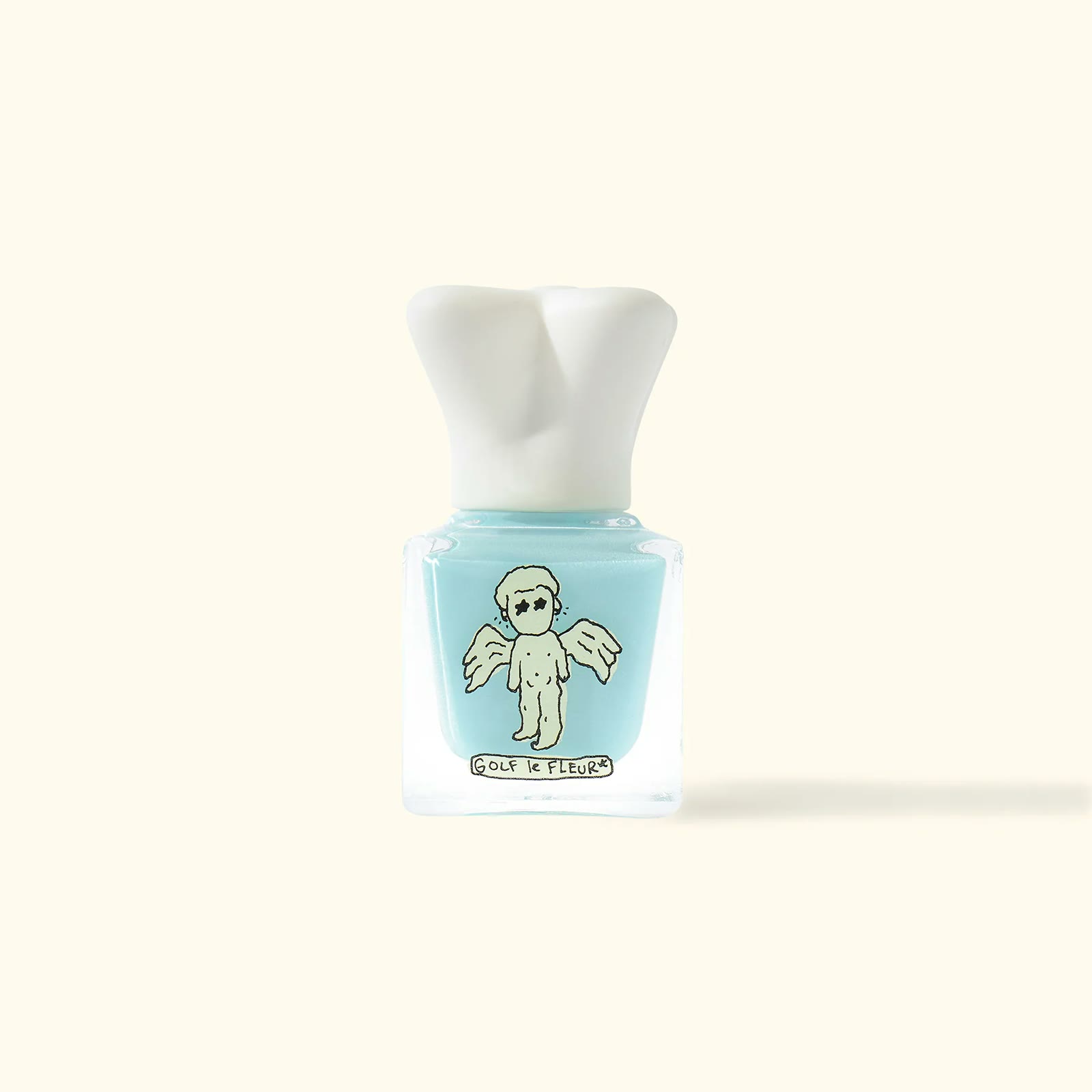
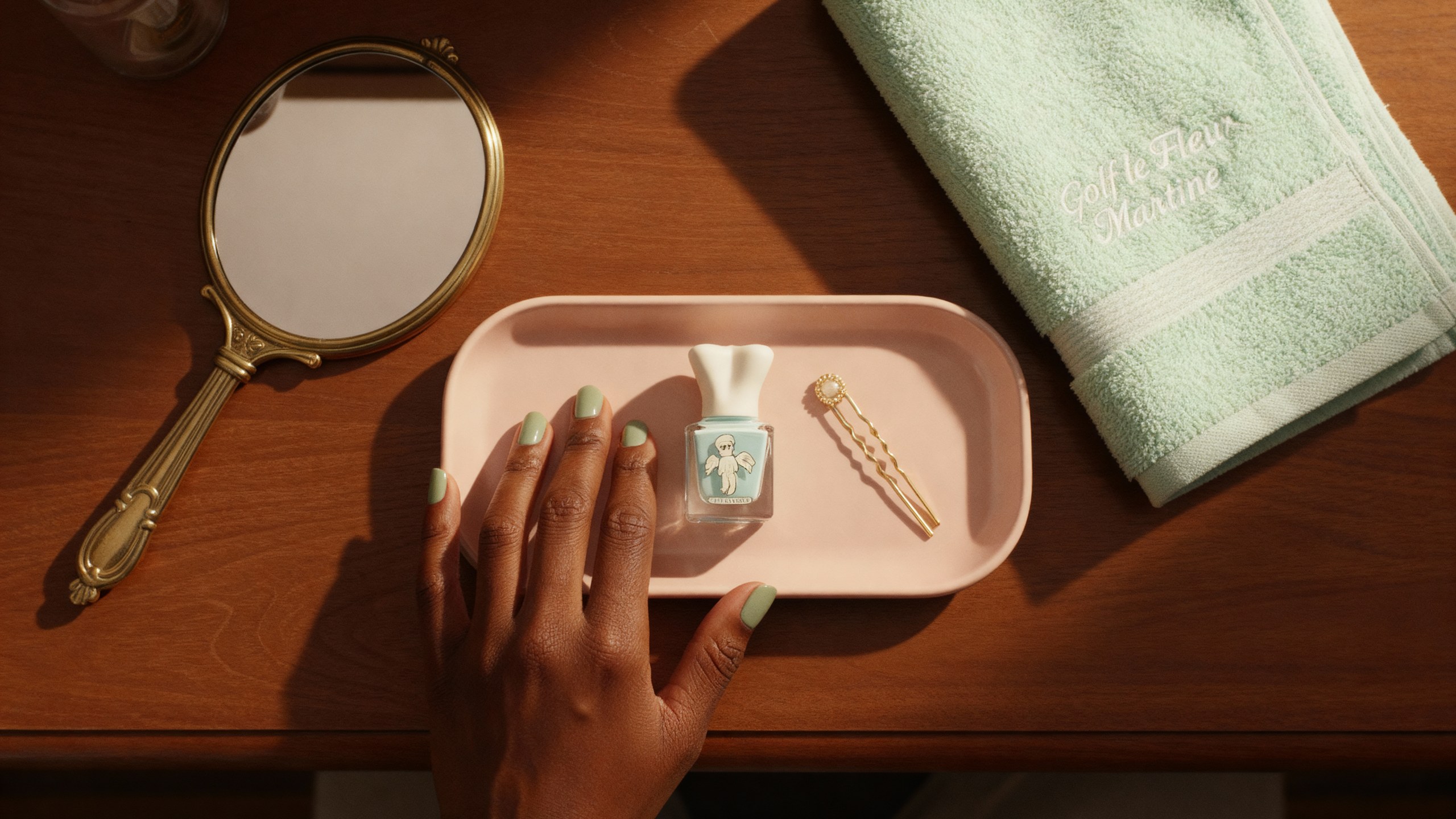
The bottle arrives on a lacquer tray with the manicure already done: the same blue in the glass and on the nails, inside a palette that was written to take it.
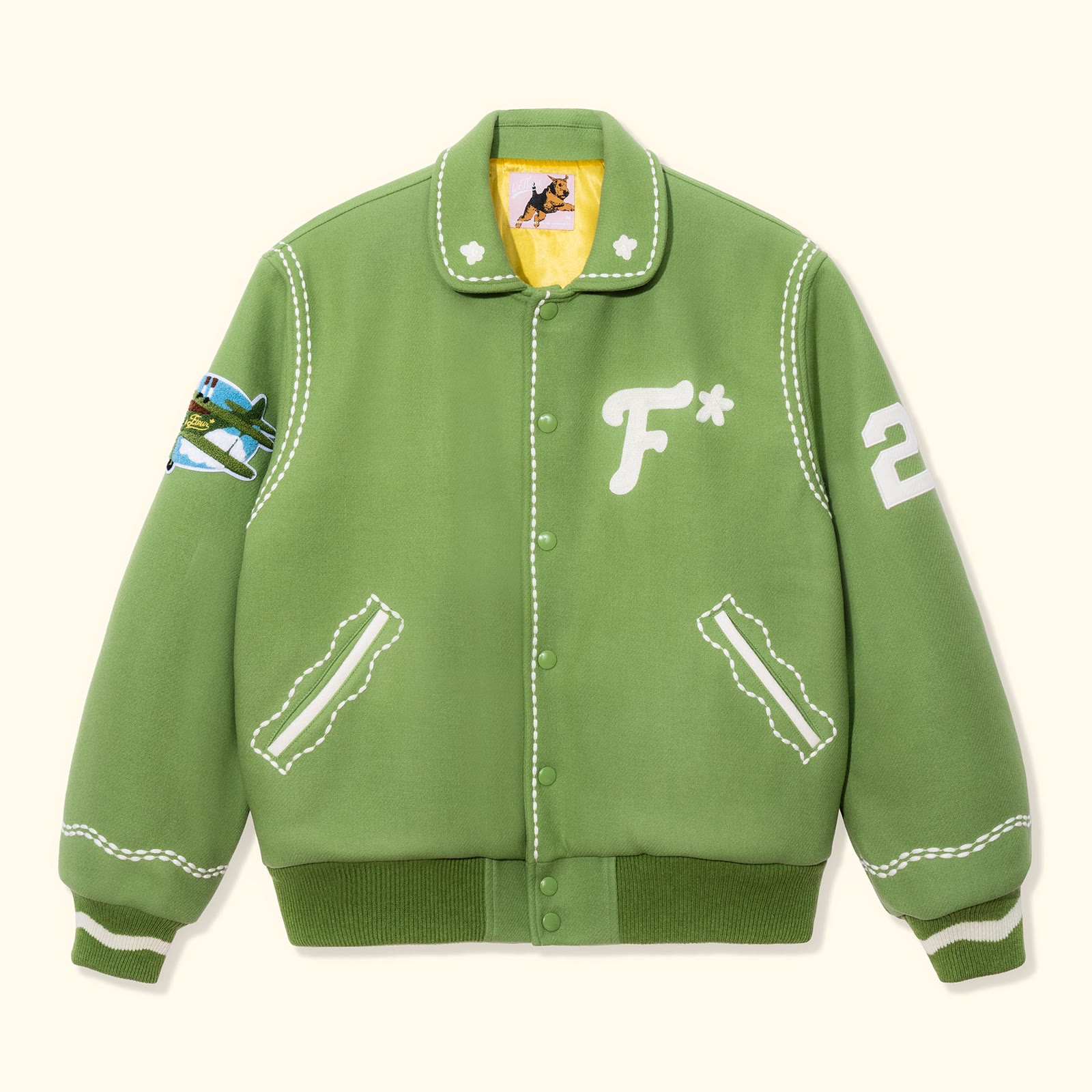
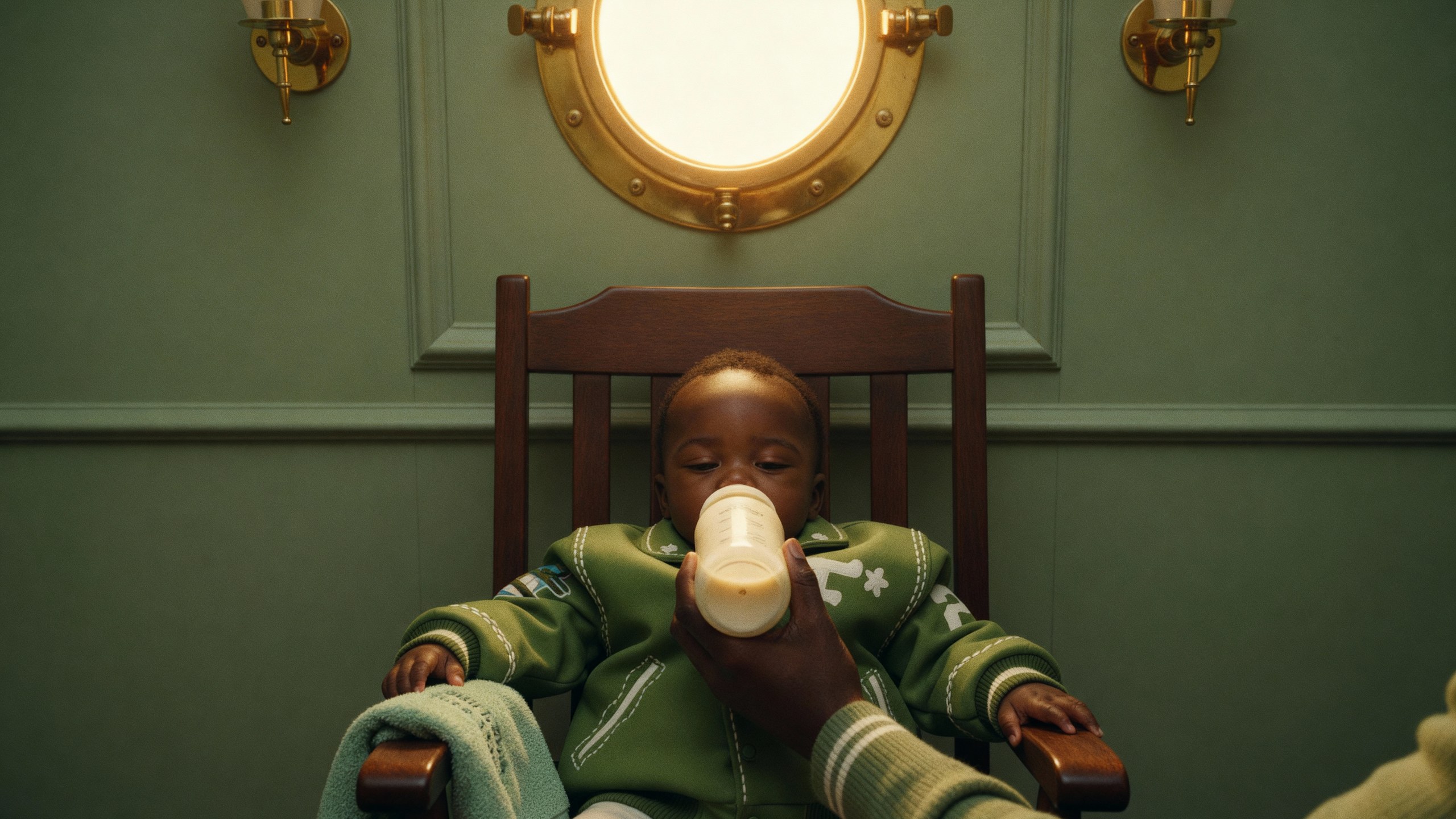
The adult jacket at a size that does not exist. This is the shot the capsule stands or falls on: chenille letters, ribbed cuffs and cream piping all correct, on a body they were never cut for.
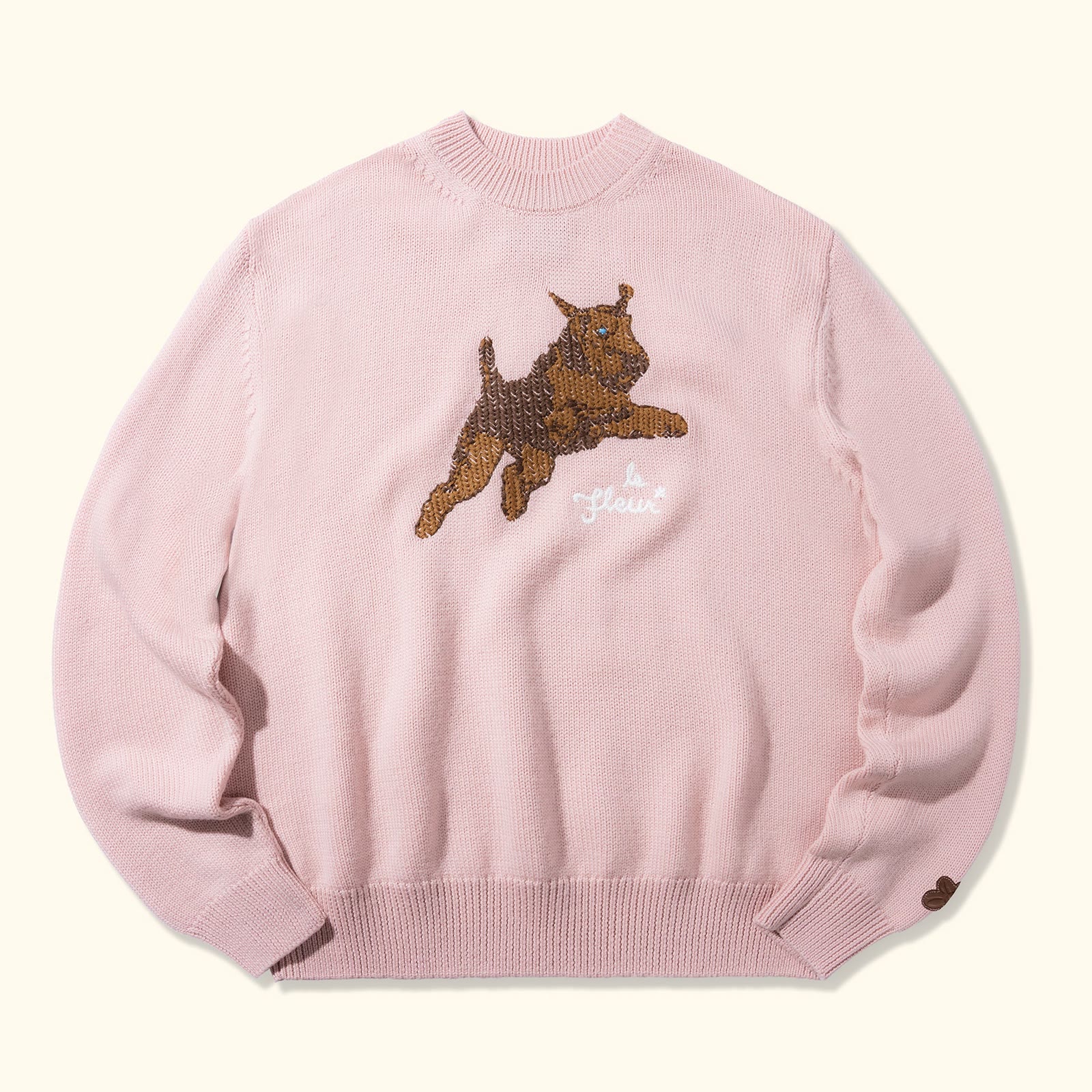
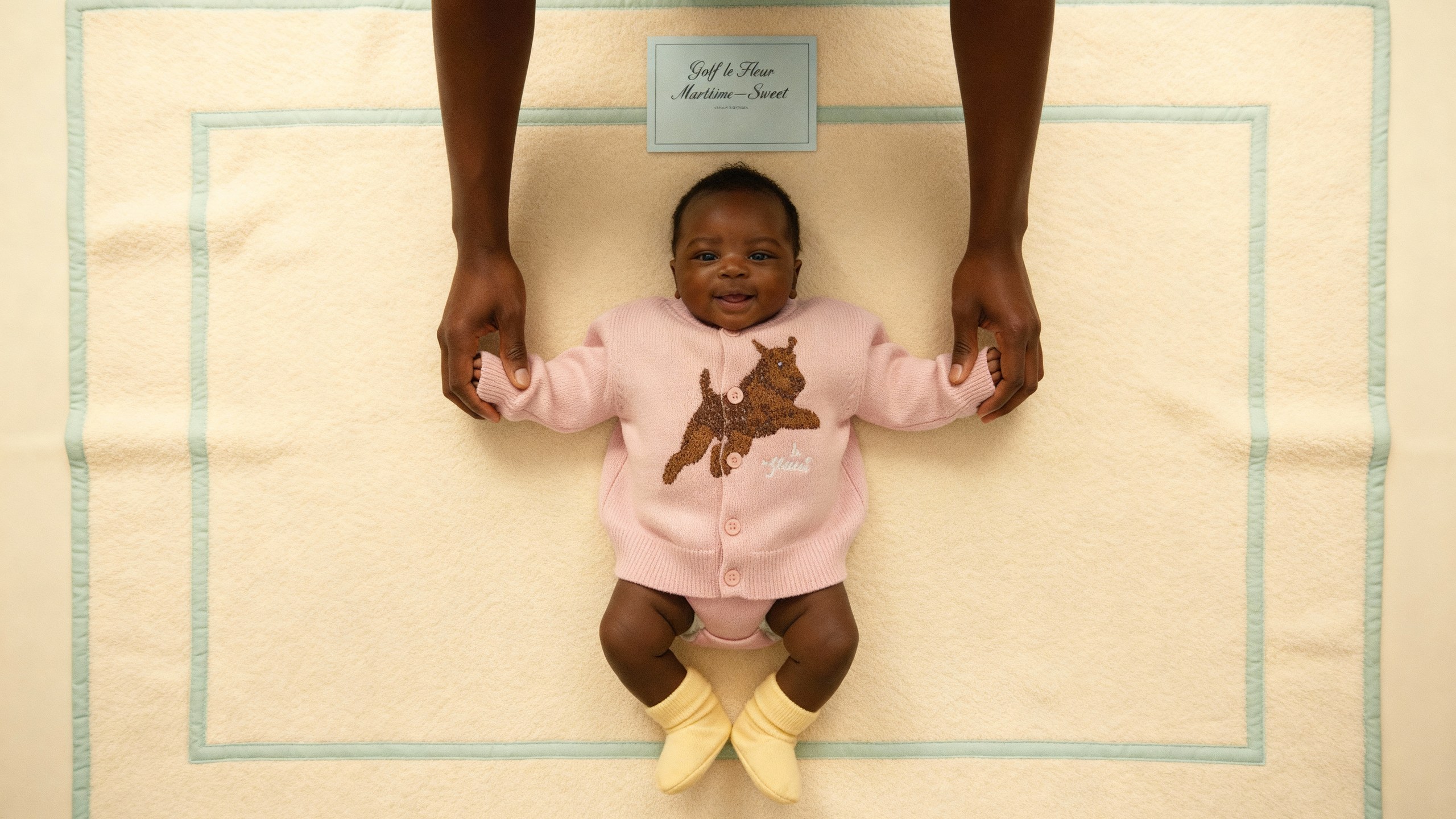
The le Fleur dog knitted on an adult crewneck, and the same dog on a babygrow — photographed from directly above, laid out the way a garment is laid out for a catalogue.
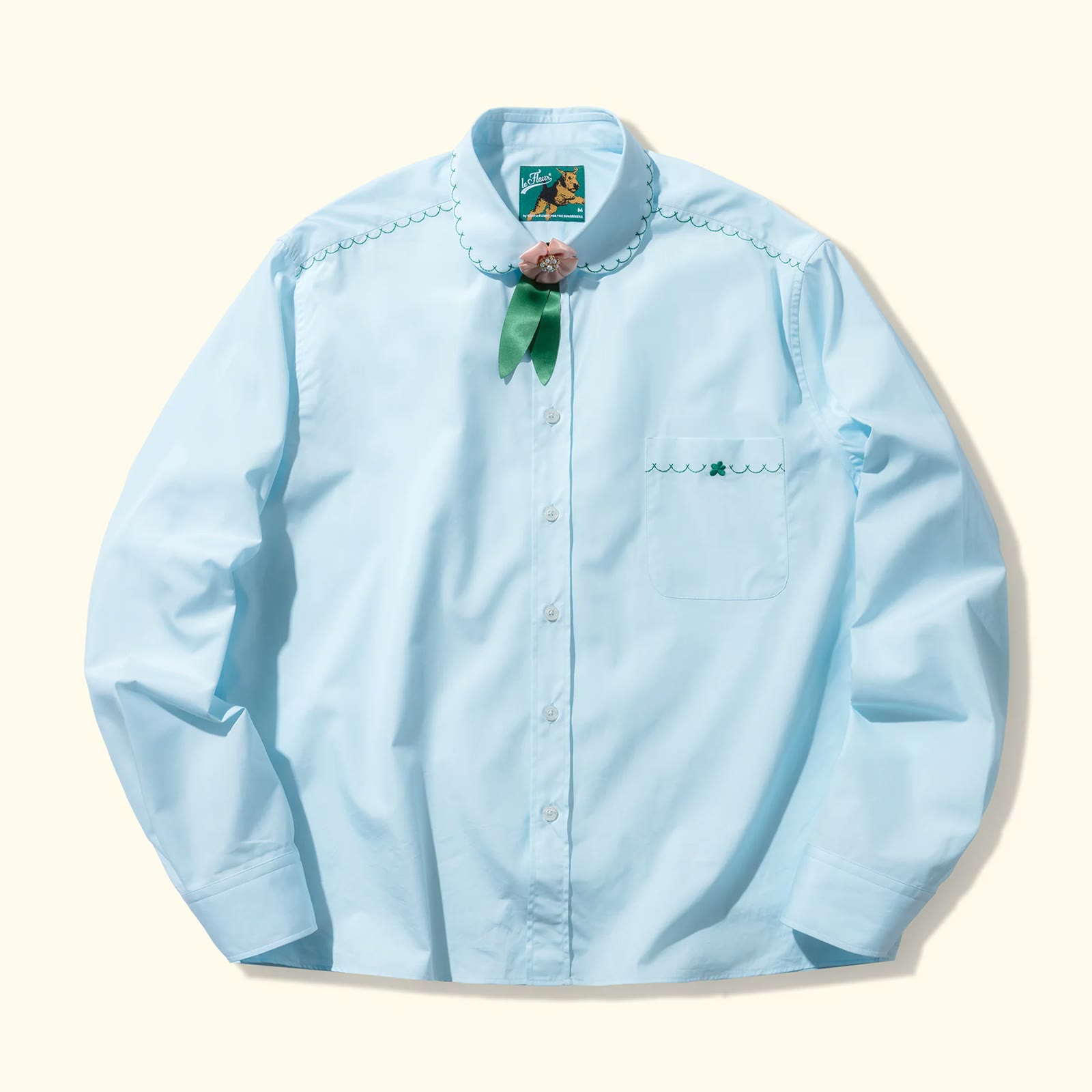
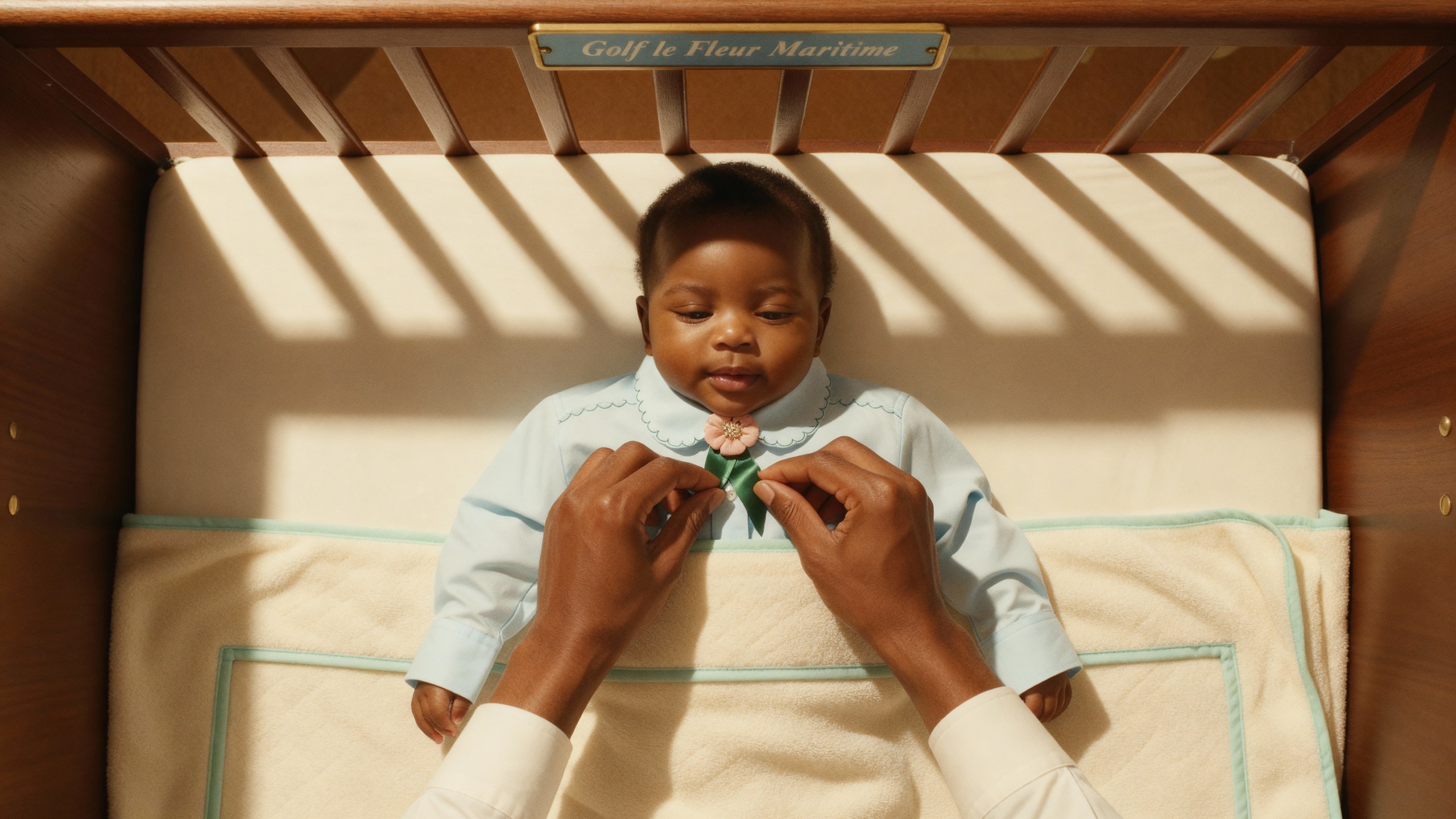
The oxford with the embroidered collar, worn by someone who cannot dress themselves. Two hands enter the frame to tie the bow, which is the whole scene.
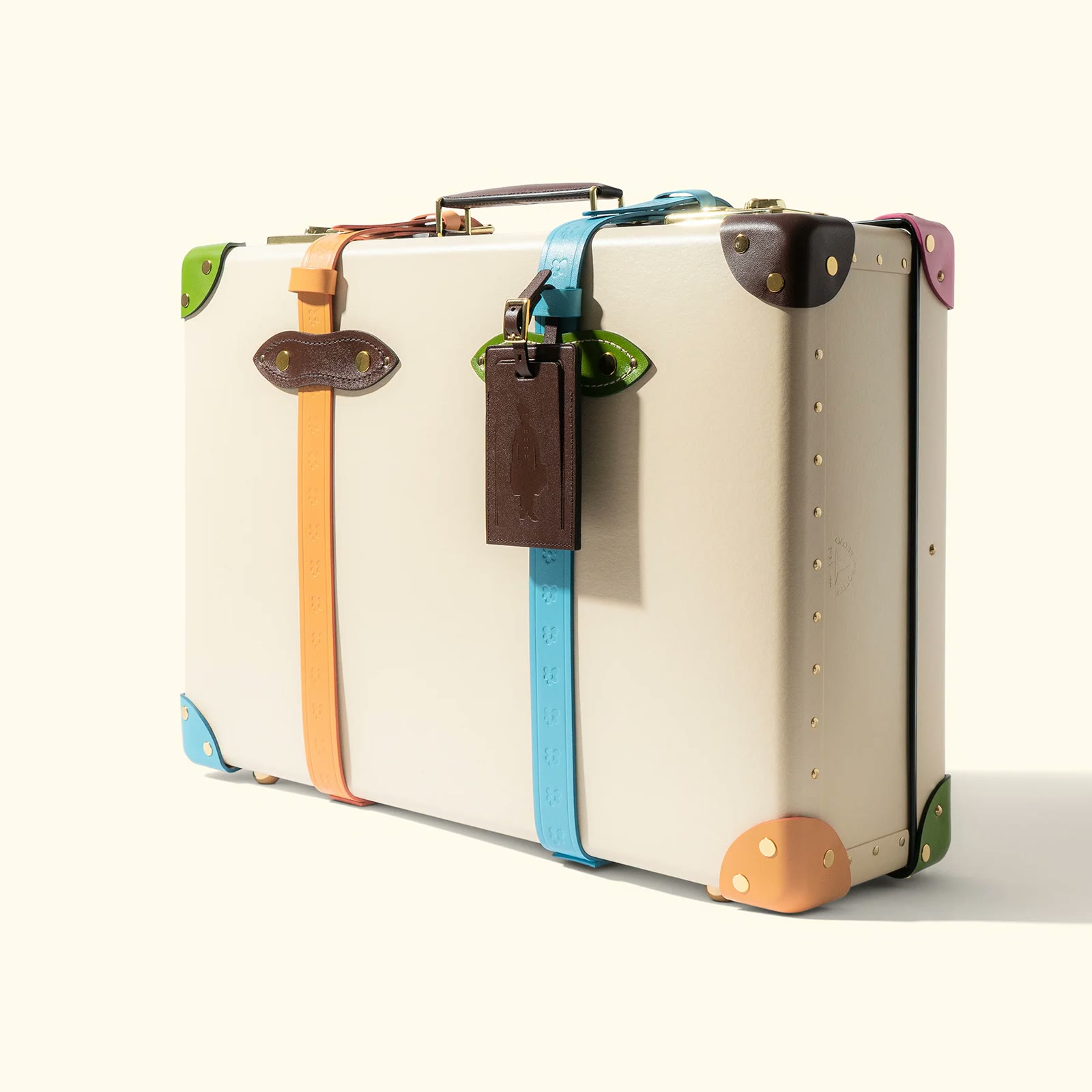
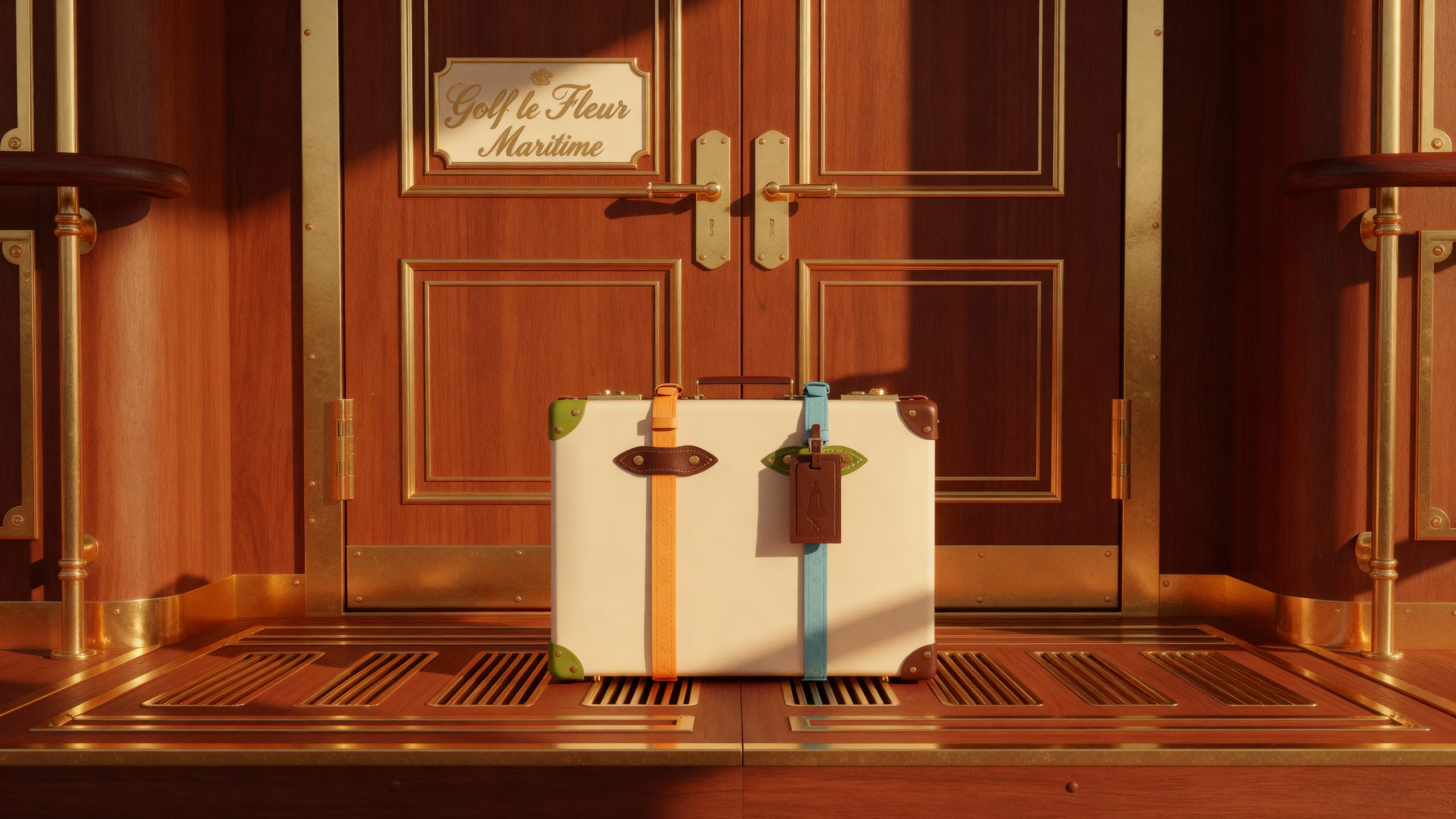
Left outside a cabin door with nobody in the frame. The straps, the buckles and the leather tag are the product photograph, moved into a corridor and given a reason to be there.
The finale
Making Tyler sing
Near the end, in the ship's lounge, Tyler, The Creator steps up to a vintage microphone and sings to camera. It is the one shot where everything can come apart at once: a face people know by heart, in close-up, with a mouth that has to agree with a track.
In October 2025 that did not come out of a prompt. It came out of a ComfyUI graph — nodes wired by hand, a face reference pinned per shot, audio driving the mouth, a render for every take and a look at each one before it was worth keeping. It was by a distance the slowest thing in the film.
The same shot today is one step. You hand over the take and the audio and it comes back synced, in minutes, without leaving the tool. That distance — a hand-wired graph then, a single step now — is the entire reason these two films were made.
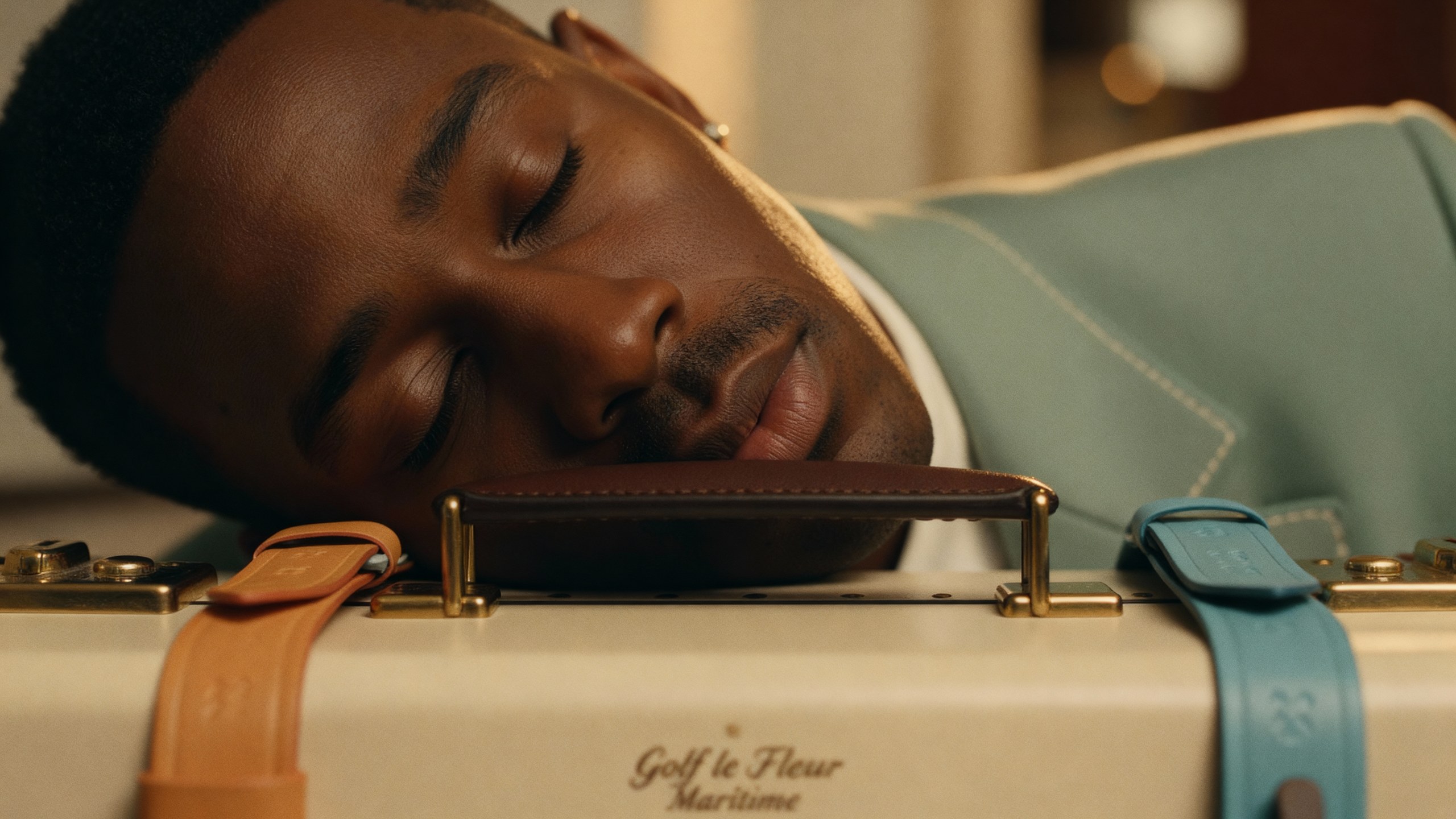
The film does not end on the song. It ends a few seconds later, in an empty corridor, with him asleep on his own trunk.
Then and now
March and October
Express was the first film made this way, and the wardrobe shows it. The clothes on that train belong to the world of the film rather than to Golf le Fleur: close to the brand, invented around it, never the actual garment. That was not a creative decision. It was the limit of what could be asked for and reliably got back.
By October the reference had become the instruction. A catalogue photograph could be handed over and come back on a body, at a different scale, in different light, still the same jacket — which is the only reason a capsule for babies was possible at all. Faces held across a sequence instead of a shot or two. Bullion thread, enamel and chenille could be asked for by name and arrive with real relief instead of a printed approximation.
None of this is a claim about any particular model. It is a record of what two identical exercises, run six months apart with the same rules, were able to hold.
The cut
Scenes that never made it
A film of one minute leaves most of a ship behind. These were written, generated and finished, and then never used: a curtain carrying the credit, a swimming cap being fitted, two passengers watching an empty horizon, the same baby on a different mat, a bollard badged like a bottle cap, and a bow nobody ever walks out onto.
They are here because the world was built past what the cut needed, which is the only reason a world holds together when the camera does move.
The credit embroidered into a velvet curtain, drawn back by hand